Why 11,800 Lakes Created More Than Recreation—They Created a Culture
A NORTH Magazine Feature by Ornell Group
There's a phrase every Minnesotan knows: "going Up North." It's not just a direction—it's a state of mind. It's the sauna at sunset, the loon call at dawn, the pontoon boat cruising at 10 mph because there's nowhere more important to be. It's the homemade wooden signs at the end of gravel roads marking family lake properties owned for generations.
The Ornell Group has purchased an issue of NORTH Magazine because we understand what others miss: Northern Minnesota's lake lifestyle isn't vacation—it's identity. And that identity is driving one of the most interesting real estate transformations in the Upper Midwest.
The North That NORTH Magazine Celebrates
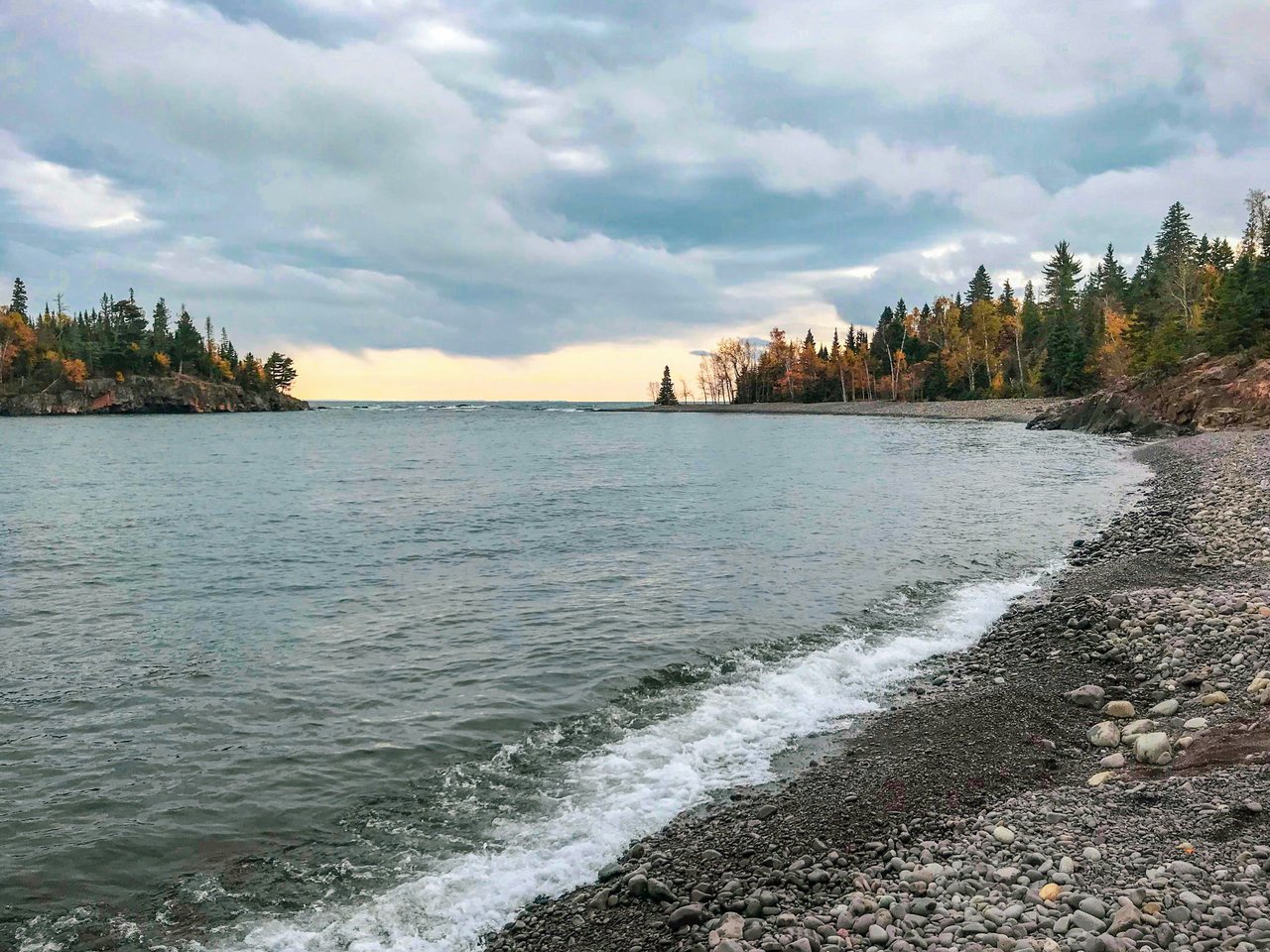
NORTH Magazine, based in Duluth and focused on Lake Superior's North Shore, captures aspirational homes and luxurious experiences around the big lake. But "Up North" extends beyond Superior's rocky shores to encompass Minnesota's entire northern lake culture—from the Boundary Waters Canoe Area Wilderness to the Brainerd Lakes, from Leech Lake to Lake Vermilion.
This is cabin country. Not cabins as luxury second homes (though those exist), but cabins as cultural touchstones. The places where Scandinavian-descended families have gathered for 80+ years. Where saunas are mandatory, not optional. Where you can wear jeans and flannel to even the snazziest restaurants because nobody up north cares.
The Numbers Behind "Land of 10,000 Lakes"
Minnesota's nickname actually undersells it. The state has 11,800+ lakes covering 10+ acres each. Add in 6,500+ natural rivers and streams. That's not recreational amenity—that's defining characteristic.
The biggest northern Minnesota lakes:
- Lake Superior: World's largest freshwater lake by surface area
- Red Lake: 288,800 acres (Minnesota's largest lake entirely within state borders)
- Mille Lacs Lake: 132,516 acres
- Leech Lake: 111,527 acres (premier walleye fishery)
- Lake Winnibigoshish: 58,544 acres
- Lake Vermilion: 39,271 acres
- Lake of the Woods: Partial—65,000 acres in Minnesota
But it's not just the big lakes. It's the 500-acre lake with one small resort and 15 private cabins. The 200-acre lake accessible only by portage from the last road. The chain of lakes connected by narrow channels where you can paddle from your dock into the Boundary Waters.
What "Going Up North" Actually Means
For Minnesotans, "Up North" defies specific geography. To someone from southwestern Minnesota, Brainerd IS Up North. To someone from Duluth, Up North means the Canadian border. But everyone agrees on what defines it:
The Up North Feeling:
- Pine, spruce, birch, and poplar forests (not agricultural fields)
- Lake density where water is everywhere, not something special
- Gravel roads with homemade property signs
- Resorts with names like "Eagle's Nest" and "Whispering Pines"
- Local restaurants serving walleye and wild rice
- Bait shops doubling as convenience stores
- Silence—real silence—interrupted only by loons
Up North Activities:
- Fishing for walleye, northern pike, muskie, bass, crappie, perch
- Canoeing through the Boundary Waters or Voyageurs National Park
- Hiking the Superior Hiking Trail (300 miles of North Shore ridgeline)
- Watching Northern Lights from your dock (International Dark Sky Sanctuary designation)
- Saunas followed by lake plunges (even through ice holes in winter)
- Pontoon boat cruises at sunset
- Ice fishing in heated fish houses
- Snowmobiling hundreds of miles of groomed trails
- Simply existing without agenda or obligation
The Cabin Culture: More Than Real Estate
Northern Minnesota cabins represent something most real estate markets don't understand: multi-generational identity.
The traditional Minnesota cabin:
- Built in 1920s-1960s by grandparents or great-grandparents
- Knotty pine interior walls (mandatory)
- Screened porch overlooking the lake
- Small bedrooms because nobody came to sleep—they came to fish
- Outdoor sauna (often older than the cabin)
- Dock with wooden boats that haven't changed since 1950
- Property signs with family names painted on weathered wood
- Guest books dating back 50+ years
These aren't investments bought to flip. They're family compounds passed down through generations. The same dock where grandpa taught dad to fish is where dad now teaches grandchildren. The same sauna stones heated for 80+ years.
The modern evolution:
- Winterized cabins for year-round use
- Updated kitchens and bathrooms (but keeping knotty pine walls)
- Central heat and air conditioning
- Internet (begrudgingly, for remote work)
- Modern docks and boat lifts
- Maintenance catching up to deferred decades
The tension: Keeping cabin character while adding comfort. Nobody wants to lose the knotty pine walls and screened porch. Everyone wants reliable heat and plumbing.
Why Scandinavian Culture Dominates Up North
Northern Minnesota's lake culture is deeply Scandinavian—Norwegian, Swedish, Finnish settlers who arrived in late 1800s and early 1900s. This shows up everywhere:
The sauna obsession: Not luxury spa experience—authentic Finnish sauna culture. Wood-heated saunas reaching 180+ degrees, followed by lake plunges. Even in winter, Minnesotans cut holes in ice for post-sauna cooling. This isn't optional—it's how generations have gathered for over a century.
The understated approach: Scandinavian reserve means nobody flaunts wealth or luxury. A $2M modern lake home keeps low profile. Flashy boats and jet skis mark you as outsider. The old wooden boat at the end of dock commands more respect than the newest Mastercraft.
The collective experience: It's casual here. Jeans and flannel shirts work everywhere, even nice restaurants. Nobody dresses up. Nobody creates elaborate Instagram content. You just... exist at the lake.
Food culture: Wild rice (Minnesota's state grain), walleye (fried or baked, never fancy), blueberry pie from berries picked on the property, fish boils, lefse at holidays. Simple, traditional, authentic.
The Investment Transformation Nobody Expected
Here's what's changing: The traditional multi-generational cabin is giving way to modern lake homes as younger generations inherit properties and make different choices.
The old model:
- Grandparents bought lake lot in 1940s for $2,000
- Built small cabin for $5,000
- Maintained minimally for 60+ years
- Multiple generations share summer weeks
- Nobody sells—ever
The new reality:
- Inheritance splits property among 3-4 siblings
- Siblings can't agree on maintenance costs
- Property needs $150K+ in updates to meet modern standards
- One sibling wants to keep cabin, others want cash
- Property sells to outside buyer for $500K-$800K
- Buyer demolishes cabin, builds $1.2M modern home
This is happening across northern Minnesota lakes, creating opportunity for those who understand the market.
The Geographic Tiers: Where to Invest Up North
Not all northern Minnesota lake property is equal. Distance from Twin Cities creates distinct tiers:
Tier 1: The Close North (1.5-2.5 hours from Twin Cities)
- Brainerd Lakes, Mille Lacs area, Crosslake, Nisswa
- Easy weekend access for Twin Cities families
- More development, more services, more amenities
- $800K-$2M+ for quality lakefront
- Feels like established lake community, less wilderness
Tier 2: The Remote North (3-4 hours from Twin Cities)
- Bemidji, Leech Lake, Lake Winnibigoshish area
- True "Up North" experience with more wilderness
- Less development, quieter lakes, better fishing
- $400K-$1M for quality lakefront
- Requires commitment—not just weekend getaways
Tier 3: The Far North (4-6+ hours from Twin Cities)
- Lake Vermilion, Ely, Boundary Waters area, International Falls
- Maximum wilderness, minimum development
- International Dark Sky Sanctuary, Canadian border experience
- $300K-$800K for quality lakefront (sometimes less)
- For serious outdoors enthusiasts, not casual lake visitors
The Lake Superior North Shore (2-4 hours from Twin Cities)
- Grand Marais, Lutsen, Tofte, Schroeder, Silver Bay, Two Harbors
- Rocky North Shore on world's largest freshwater lake
- Different experience: big lake views vs. inland lake recreation
- $500K-$3M+ for quality property
- NORTH Magazine's core coverage area
What Makes Northern Minnesota Different From Other Lake Markets
The Ornell Group works both metro-adjacent lakes (White Bear, Forest Lake, Bald Eagle) and up north properties. The markets operate completely differently:
Metro Lakes (White Bear Lake, Forest Lake):
- 20-30 minutes from Twin Cities
- Year-round primary residences dominating
- Restaurant and amenities driving values
- $1M-$5M+ for premium waterfront
- Luxury market established and growing
Up North Lakes:
- 2-6 hours from Twin Cities
- Seasonal use or retirement properties
- Wilderness and fishing driving values
- $300K-$1M for most properties
- Traditional cabin culture with modern evolution
The investment thesis differs completely. Metro lakes are about lifestyle convenience—living on water while working in city. Up North is about escape—leaving city behind entirely.
The Remote Work Revolution Impact
COVID-19 changed Up North forever. Remote work made distance from office irrelevant. Suddenly that 4-hour drive to Lake Vermilion didn't matter if you're working from cabin.
What changed:
- Demand for winterized, year-round cabins exploded
- Internet infrastructure became non-negotiable
- Updated kitchens and home offices essential
- Properties within 30 minutes of small towns (for groceries/services) commanded premiums
- True wilderness properties (45+ minutes from services) saw less interest
Properties that were summer-only seasonal cabins now needed to function as primary residences or extended stays. This drove renovation and rebuilding across northern Minnesota.
The modern Up North buyer (post-COVID):
- Works remotely, needs reliable internet
- Wants wilderness experience with modern comfort
- Willing to drive 3-4 hours but not willing to sacrifice amenities
- Values dark skies and silence but needs grocery store within 30 minutes
- Expects quality fishing, hiking, outdoor recreation
- Wants authentic Up North experience, not resort atmosphere
The Boundary Waters Factor
The Boundary Waters Canoe Area Wilderness (BWCAW) represents 1.1 million acres of pristine wilderness with 1,200+ miles of canoe routes. No motorized boats. No buildings. No roads. No cell service.
National Geographic named northern Minnesota one of "25 Amazing Journeys for 2022" partly because of the Boundary Waters and International Dark Sky Sanctuary designation.
Why this matters for real estate:
Properties near Boundary Waters access points (Ely, Grand Marais area) command premiums because they offer something unique: genuine wilderness experience 3-4 hours from major metro. You can't replicate this anywhere else in the Midwest.
The Boundary Waters created conservation culture that protects lakes throughout the region. Water quality, dark skies, wildlife—this isn't recreational amenity, it's protected wilderness that guarantees experience won't disappear with development.
The Lake Superior North Shore: Different Beast Entirely
Lake Superior's North Shore (NORTH Magazine's focus) operates differently from inland northern Minnesota lakes:
Inland lakes: Swimming, fishing, pontoon boats, waterskiing, cabin culture
Lake Superior North Shore: Hiking, rocky shoreline, dramatic cliffs, big water views, sophisticated dining
Grand Marais transformed from fishing village to sophisticated destination rivaling anywhere in Minnesota. Lutsen offers Midwest's best skiing. The North Shore combines wilderness with upscale amenities—hiking the Superior Hiking Trail in morning, dining at fine restaurant at night.
Real estate reflects this: North Shore properties command premiums not for fishing access but for dramatic views and proximity to services (restaurants, galleries, breweries). It's less about traditional Up North cabin culture, more about wilderness sophistication.
Why the Ornell Group Bought NORTH Magazine
The Ornell Group specializes in northern suburbs lake real estate—White Bear Lake, Forest Lake, Bald Eagle Lake. But we understand the bigger picture: Minnesota's lake lifestyle spans from White Bear (20 minutes from St. Paul) to Lake Superior (2-4 hours north).
NORTH Magazine celebrates aspirational northern Minnesota living—the homes, experiences, and culture that define the region. By purchasing an issue, we're connecting with this audience: people who understand lake lifestyle value, who appreciate northern Minnesota's unique character, who make decisions based on quality of life rather than just proximity to office.
Our clients include:
- Metro lake buyers (White Bear Lake, Forest Lake) wanting waterfront near Twin Cities
- Up North cabin owners looking to upgrade or downsize property
- Families inheriting northern Minnesota cabins deciding whether to keep or sell
- Remote workers seeking year-round northern Minnesota living
- Retirees choosing between metro convenience and Up North wilderness
We know the waterfront across all these markets. We understand why someone pays $3M for Dellwood Road estate on White Bear Lake versus $600K for comparable square footage on northern Minnesota lake. Location, amenities, commute times, water quality, fishing—all these factors create different investment theses.
The Future of Up North: What's Changing
Trends shaping northern Minnesota lake real estate:
Winterization acceleration: Summer-only cabins converting to year-round as remote work enables extended stays.
Infrastructure investment: Fiber internet reaching previously unserved areas, making remote work viable.
Generational transfer: Baby boomers passing cabins to Gen X and Millennials who make different decisions about keeping vs. selling.
Modern expectations: Updated kitchens, bathrooms, climate control becoming standard rather than luxury.
Sustainability focus: Solar power, well water systems, septic modernization, eco-friendly building materials.
Dark sky protection: Growing awareness of light pollution drives premium for properties offering genuine dark night skies.
Second home vs. primary home: Shift from seasonal cabin to year-round residence changing property requirements.
The Cultural Preservation Challenge
Here's the tension: As properties modernize and new buyers enter market, will northern Minnesota maintain its character?
The homemade wooden signs. The knotty pine walls. The small resorts with 8 cabins run by same family for 50 years. The bait shops with coffee pots and local gossip. The annual ice fishing contests. The Friday night fish fries at VFW halls.
This is what makes Up North special. But modern buyers expect modern amenities. Properties get demolished and rebuilt. Small resorts sell to developers. Chain restaurants replace local cafes.
The Scandinavian understatement—the lack of flash, the practicality, the understated wealth—remains. For now. The question is whether this survives as more outside money enters market.
Why Lake Lifestyle Matters to Real Estate
The Ornell Group operates at intersection of lake lifestyle and real estate investment. We see clients make two types of mistakes:
Mistake 1: Buying metro lake property (White Bear Lake) expecting Up North experience. White Bear is 20 minutes from St. Paul with restaurants, shopping, services. It's sophisticated lake living, not wilderness escape. Different lifestyle entirely.
Mistake 2: Buying remote northern property expecting metro convenience. That Lake Vermilion cabin is 4+ hours from Twin Cities with limited services. It's wilderness escape, not convenient weekend getaway.
Understanding what lifestyle you actually want—not what you think you want—determines which property makes sense.
Metro lakes work for: Daily lake living, commuting to Twin Cities, sophisticated dining, maintaining career while living on water.
Up North works for: Escape from daily life, retirement, remote work, true wilderness experience, trading convenience for authenticity.
Neither is better. They're different. The Ornell Group helps clients understand which matches their actual lifestyle and goals.
NORTH Magazine: The Ornell Group Perspective
NORTH Magazine features aspirational homes, sophisticated design, luxurious experiences. But luxury in northern Minnesota doesn't mean what it means in metro areas.
Luxury Up North is:
- Genuine knotty pine walls maintained from original 1940s cabin
- Sauna with 100+ year old stones heated by wood fire
- Dock positioned for sunset views and morning loon calls
- Kitchen windows overlooking lake where you've watched sunrises for decades
- Property remote enough for dark skies and northern lights
- Neighbors who've known your family for three generations
It's not about square footage or granite countertops. It's about authenticity, location, experience, legacy.
The Ornell Group's involvement with NORTH Magazine connects our expertise in lake real estate with the audience that appreciates this: people who understand that lake lifestyle isn't just amenity—it's identity.
Going Up North: More Than Geography
Every Minnesotan has a story about going Up North. The first fish caught from dock. The sauna tradition that scared visiting friends. The loons calling at dawn. The Northern Lights dancing over the lake. The silence so complete it feels physical.
This is what northern Minnesota lake property offers—not just recreation, but connection to something larger. The forests and lakes have been here for 10,000+ years since glaciers retreated. The Boundary Waters preserves wilderness as it was. The dark sky sanctuaries protect night from light pollution.
In an increasingly connected, busy, developed world, northern Minnesota remains remarkably unchanged. Yes, cabins get updated. Yes, internet reaches more areas. Yes, modern expectations creep in.
But the loons still call. The Northern Lights still dance. The lakes still freeze solid enough to drive trucks on. The saunas still heat with wood fires. The silence still exists.
That's not real estate—that's legacy. And legacy, it turns out, is worth protecting.
Ornell Group
Northern Suburbs Lake Real Estate Specialists
Real Broker | Real Luxury
From White Bear Lake's sophisticated waterfront lifestyle to remote northern Minnesota's wilderness cabins, the Ornell Group understands Minnesota's complete lake lifestyle spectrum. Whether you're seeking metro convenience or Up North escape, we know the waterfront.
Ornell Group Real Estate is proud to subscribe to NORTH Magazine and the celebration of northern Minnesota's unique lake culture and lifestyle. Learn more about NORTH Magazine at northmagazine.com.
Content provided by Ornell Group, brokered by Real Broker, featuring perspectives on northern Minnesota lake lifestyle in partnership with NORTH Magazine. All property information and market data subject to change. #OrnellGroup