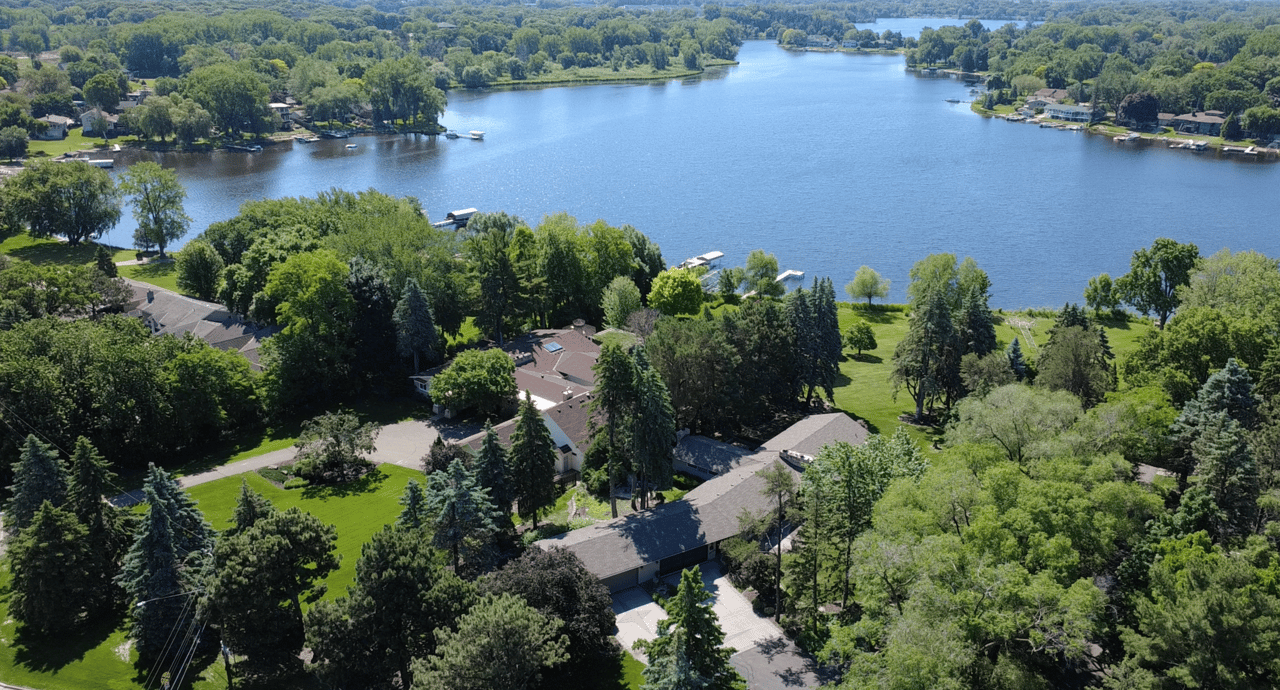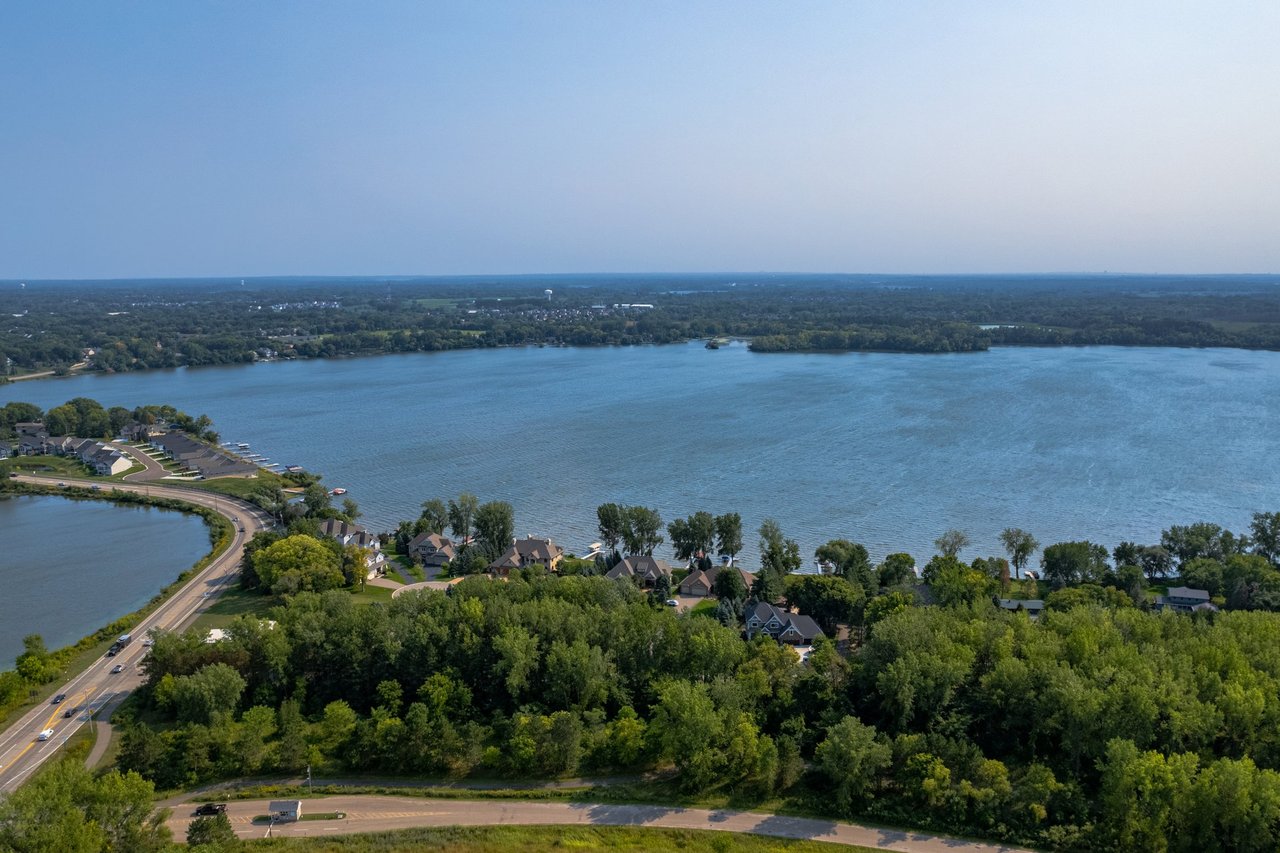
Buying on the water is one of the best decisions you can make. I know because I live on one. But lake homes come with a different set of rules than a regular purchase, and the buyers who treat it like a standard transaction almost always get surprised by something.
Here is what I walk every client through before they write an offer.
1. Riparian Rights Are Not Automatic for Every Buyer
You own the land to the ordinary high water level and you receive riparian rights to access and use the water. But if easements or shared access are involved, you need to know exactly what transfers before you close.
2. Most Seasonal Docks Do Not Need a Permit
Standard seasonal docks that meet DNR guidelines do not require permits. Permanent structures and oversized docks do. Verify the permit history on any unusual dock before closing.
3. Water Depth Drives Clarity, Boating, and Value
Depth is the single biggest factor in water quality. It is a large part of why Minnetonka, White Bear, and Prior Lake sit at the top of any serious ranking. Always ask for a depth survey on your specific frontage, not just the lake average.
4. Water Quality Changes by Season
What you see in April is not always what you get in August. Pull water quality history from the Minnesota DNR and look specifically at July and August data before you commit.
5. DNR Shoreland Rules Affect What You Can Build
Setbacks of 75 to 150 feet from the water and impervious surface limits of 25 percent apply to most Minnesota lake properties. Know these before you plan any improvements.
6. Insurance Costs More Than You Expect
Flood coverage, windstorm, and elevated liability add up fast. Get the full insurance quote before you are under contract, not after.
7. Lake Associations Have Real Authority
Some are easy to live with. Some are not. Get the governing documents and dues before you sign anything.
8. The Shoreline Matters as Much as the House
Seawall condition, erosion, dock stability, and drainage at the water's edge can cost serious money if they are missed. Use an inspector with waterfront experience.
9. Maintenance Is a Different Budget Line
Winterizing docks, managing ice pressure, shoreline upkeep. Budget for it honestly. The lifestyle is worth it, but it costs more to maintain than a standard home.
10. Your Agent Has to Specialize in Waterfront
Waterfront transactions are different. The comps, the inspections, the riparian rights review, the negotiation based on frontage quality and water depth. An agent who sells a lake home once a year is not a waterfront specialist. You need someone who works this niche full time.
If you are buying anywhere on the Twin Cities lake corridor, reach out. The conversation is free.
Tim Ornell Real Estate Advisor | Ornell Group Real Broker Luxury Division (NASDAQ: REAX) 651.263.9480 | ornellgroup.com Specializing in Twin Cities, MN waterfront properties and relocations.