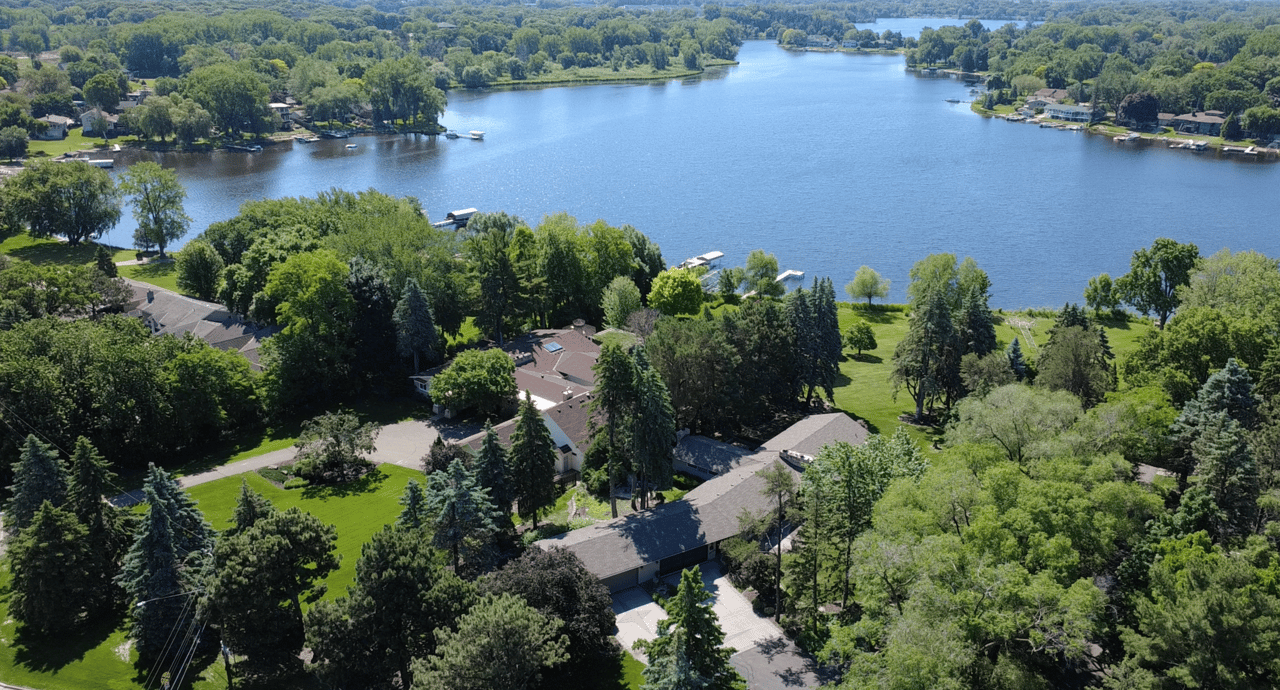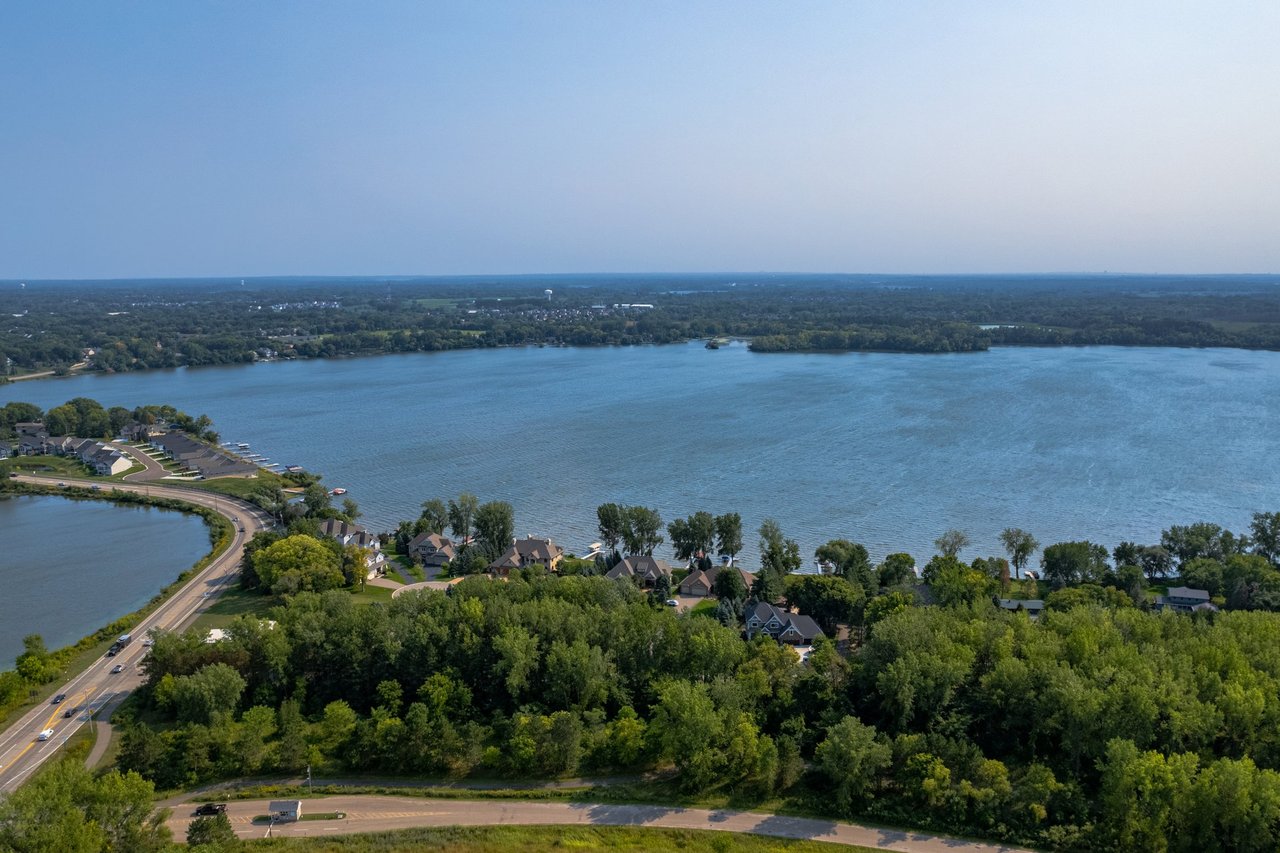
When buyers compare the northern suburbs to Minnetonka and the west metro, the conversation usually starts with schools and price per square foot.
It should.
But it shouldn’t end there.
The west metro — Minnetonka, Wayzata, Orono — carries national visibility. Strong districts. Established lake culture. Deep pricing tiers.
You pay for that brand recognition.
Entry points are higher.
Lot sizes are often tighter at similar price bands.
Competition for premium positioning is intense.
The northern suburbs offer something different.
White Bear Lake Area Schools.
Centennial.
Mounds View.
Forest Lake.
Strong performance.
Stable communities.
Less compression at upper price tiers.
Here’s where the math shifts.
At $1.5M in Minnetonka, you are often buying into a mid-tier segment of a very competitive lake or school corridor.
At $1.5M in the northern suburbs, you may be buying:
More land.
Newer construction.
Stronger lot width.
Less density.
That does not mean “better.”
It means different positioning.
Families relocating often discover:
The northern suburbs allow them to build at a higher tier relative to their neighbors.
West metro often places them in the middle of a deeper pricing ladder.
Both can win long term.
The decision comes down to:
Do you want to buy into brand?
Or do you want to buy into spread?
Brand carries liquidity.
Spread carries upside potential.
Northern suburb pricing has historically trailed west metro lakes.
But the gap narrows when buyers value land, privacy, and school stability over proximity to Wayzata.
This is not a quality question.
It is a capital allocation question.
If you are evaluating north vs west, the goal is to understand where your price point sits within the hierarchy of that market — not just whether the district scores well online.
Preparation creates leverage.
Relationships outlast transactions.
Tim Ornell
Luxury & Waterfront Real Estate Advisor
651.263.8480
ornellgroup.com