What Every Executive Relocation Buyer Needs to Know About the Twin Cities Waterfront Market
By Tim Ornell | Ornell Group | Real Broker | White Bear Lake, MN
If You Are Moving to Minnesota, This Is the First Thing You Should Read
Every year, executives relocate to the Twin Cities metropolitan area for the same reasons. The business environment here is exceptional — Fortune 500 headquarters, a healthcare industry of national significance, a financial services sector, a growing technology community, and an economy that has historically proven more resilient than most comparable metros. The cost of living relative to coastal markets is a genuine and meaningful advantage. And the quality of life — the parks, the lakes, the seasons, the pace, the culture — is something that surprises people who arrive with coastal assumptions and find something they did not expect to want to stay for.
What many relocation buyers do not expect is how much the real estate decision matters in a market like this one, and how different the calculus is in Minnesota than in the markets they are coming from.
The Ornell Group has worked with relocation buyers at the executive level, and the two things they consistently prioritize — new construction for its flexibility and exit optionality, and lake living for the lifestyle it delivers to a family — happen to be the two things the Twin Cities market does particularly well. This article is written for the person doing research from another city, trying to understand a market they have not lived in yet, who wants a clear and honest picture of what their options look like before they get on a plane.
Why Relocating Executives Choose New Construction
The logic is straightforward once you understand the situation.
An executive relocation is not always a permanent move. The assignment that brings someone to Minneapolis from Chicago or Dallas or New York or Seattle may last three years or ten years or the rest of a career, and at the point of purchase that timeline is genuinely uncertain. A buyer in that position is not just choosing a home — they are managing a real estate position with an unknown holding period, and the decisions they make at purchase will determine whether they exit the market cleanly when the time comes or absorb a discount they did not plan for.
New construction in the Twin Cities solves several problems that relocation buyers face simultaneously. First, a newly built home comes without the deferred maintenance, dated systems, and renovation requirements that older inventory carries — requirements that are both expensive to address and difficult to plan for when your timeline is uncertain. Second, new construction in desirable locations tends to hold value well and sell predictably, which matters significantly when the eventual exit is a relocation out of state rather than a trade-up within the market. Third, and perhaps most practically, a new construction home requires the buyer to make almost no decisions about condition, systems, or immediate capital investment — which is exactly what an executive arriving in a new city with a new role and limited bandwidth to manage a renovation project needs.
The Ornell Group has represented relocation buyers in new construction transactions across the Twin Cities metro, and the pattern is consistent: buyers who choose new construction sleep better in years two and three of an assignment because they are not managing a list of deferred projects or worrying about what the next inspection will reveal. They own a home that is current, efficient, and market-ready whenever the next opportunity arrives.
The Lake Home Alternative — And Why It Is Not a Compromise
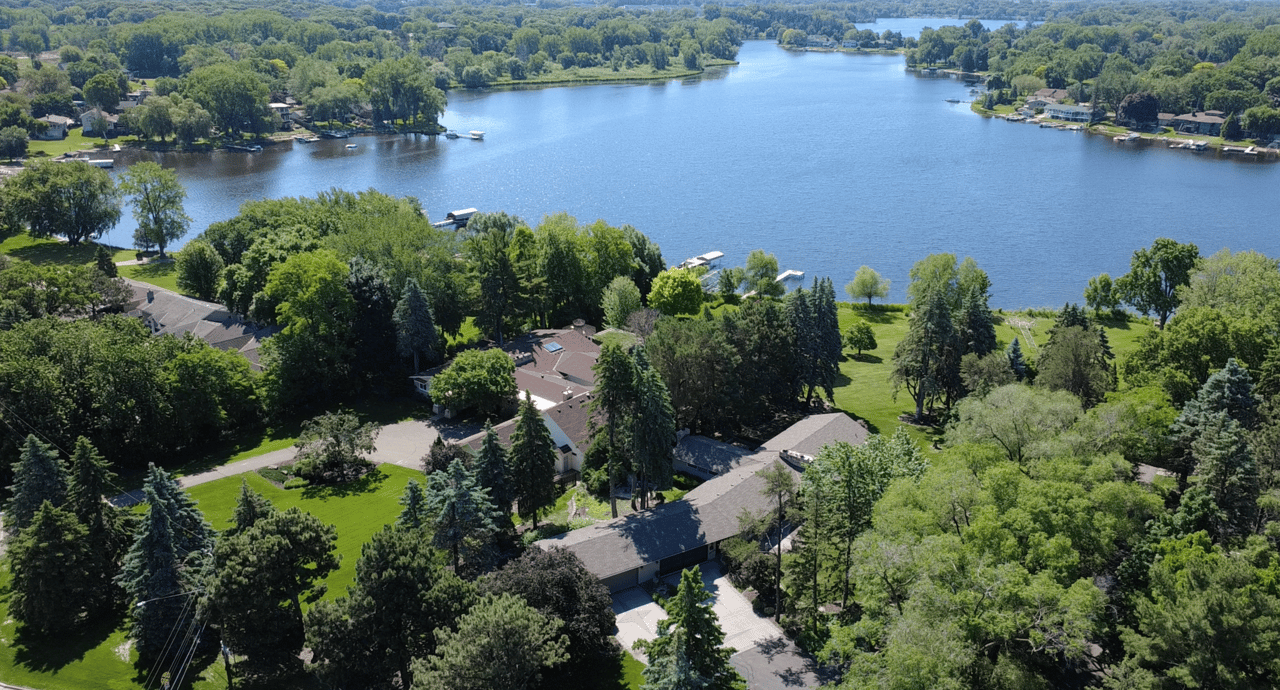
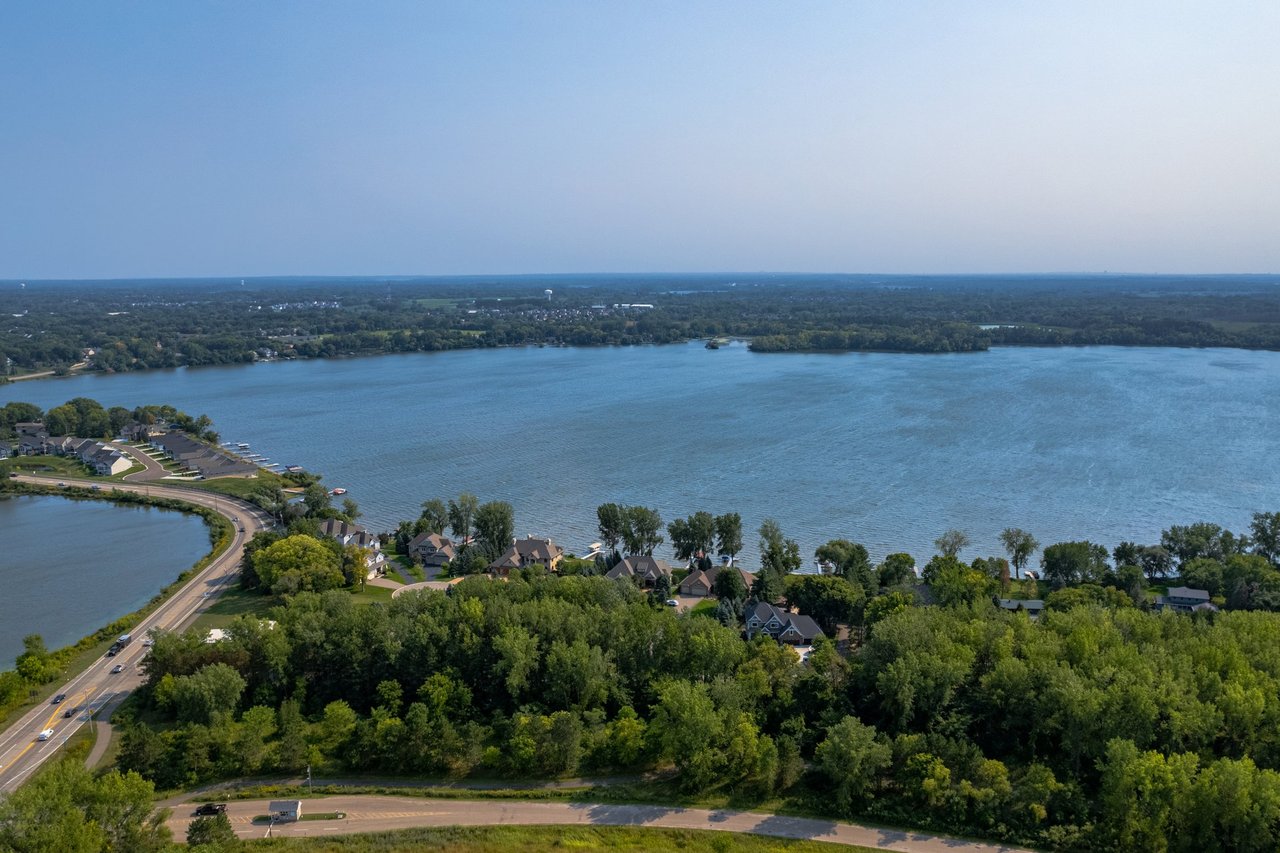
For the relocation buyer who is not returning to their origin market — who is coming to Minnesota with the genuine possibility of staying — the lake home option deserves serious consideration, and in the Twin Cities it is an option that does not exist in most major American metros at anything approaching a comparable price point.
Lake living in Minnesota is not a weekend experience. It is a daily one. The buyer who chooses a lake home in the Twin Cities is choosing a version of family life — kids on the water in summer, skating and ice fishing in winter, a dock that functions as the social center of their household from May through October — that is specific to this part of the country and genuinely difficult to replicate at any price elsewhere.
The lifestyle case for lake living is the one that drives most of the emotion in the decision. The financial case is the one that makes it rational. Lake homes in the Twin Cities have historically held and appreciated value in ways that reflect the scarcity of waterfront inventory, the durability of demand from lifestyle-driven buyers, and the fact that a well-situated lake lot simply cannot be replicated. You can build more houses. You cannot build more lake.
For an executive family relocating to the Twin Cities, the lake home is often the decision they look back on as the one that made Minnesota feel like home rather than a temporary assignment. That transition — from posted-here to living-here — tends to happen faster when the daily environment delivers something extraordinary.
The Twin Cities Lake Market: A Complete Overview
The Twin Cities metropolitan area contains more than 900 lakes within the seven-county metro, and the range of waterfront options available to a relocation buyer is broader than most markets in the country. What follows is the guide I give to every serious buyer who is evaluating the Twin Cities lake market for the first time.
Lake Minnetonka is the flagship lake of the Twin Cities western suburbs and the most recognizable waterfront address in the metro. At over 14,000 acres spread across 15 municipalities including Minnetonka, Wayzata, Orono, Deephaven, Excelsior, and Shorewood, Minnetonka is a lake system unto itself. Properties on Lake Minnetonka represent the top of the Twin Cities waterfront market in both price and prestige. This is where the largest estates, the most historic lake homes, and the deepest concentration of luxury new construction sit. For an executive buyer for whom the address and the amenity level of the property is the primary priority, Lake Minnetonka is the answer. The price reflects it.
Prior Lake in Scott County has emerged as one of the strongest value propositions in the broader metro waterfront market. At approximately 1,400 acres of recreational water, Prior Lake offers legitimate open-water recreational use — waterskiing, wakeboarding, sailing — in a community that has grown significantly over the last decade. The Scott County side of the metro is home to several strong school districts and a robust new construction market, making Prior Lake a compelling choice for executive relocation buyers who want lake living with good schools and room in the budget for a high-quality home.
Bald Eagle Lake, at approximately 1,050 acres in Hugo and White Bear Township, is the lake I know best outside of White Bear Lake itself, and it is a lake I recommend to relocation buyers who are serious about recreational water use and value in the northeastern metro. Bald Eagle is large enough for real open-water recreation, small enough to feel like a community, and priced below comparable properties on White Bear Lake in a way that creates genuine opportunity. The Ornell Group has active inventory on Bald Eagle Lake and knows this market in granular detail.
White Bear Lake needs little introduction to anyone who has spent time in the Twin Cities. This is a lake with a 150-year history as the premier resort and residential destination in the northeastern metro — approximately 2,400 acres, an established downtown, a vibrant year-round community, and a price point that reflects all of it. For a relocation buyer who wants the most established lake community in the northern metro with the infrastructure and social fabric that comes from generations of lake living, White Bear Lake is the answer.
Forest Lake, at approximately 2,300 acres in Washington County, is one of the most underrated large lakes in the metropolitan area. It offers genuine open-water recreational use, a strong community of year-round residents, access to the Washington County trail and park system, and property values that continue to appreciate as buyers who have done their homework discover what Forest Lake offers relative to what it costs.
Lake Minnewashta in Carver County sits adjacent to Lake Minnetonka and draws buyers who want proximity to Minnetonka's amenity base without Minnetonka's price ceiling. At approximately 700 acres, it is a recreational lake with good community infrastructure and a strong school district backdrop in Eastern Carver County.
Christmas Lake in Shorewood is one of the most coveted small lakes in the western metro — private, clear, and surrounded by some of the most significant residential properties in the Twin Cities. Access to Christmas Lake is limited by inventory, and that scarcity drives both the price and the desirability.
Medicine Lake in Plymouth offers western metro proximity with genuine recreational access and a price point that is accessible relative to the Minnetonka corridor. For a relocation buyer working in the western suburban employment corridor — Plymouth, Minnetonka, Eden Prairie — Medicine Lake delivers lake living with a practical commute.
Lake Independence and Lake Sarah in Hennepin County's western reaches offer large-water recreational access with a more rural character than the closer-in western metro lakes. These lakes attract buyers who want significant square footage of water and are willing to accept a slightly longer commute in exchange for it.
Lotus Lake and Lake Riley in Chanhassen and Eden Prairie represent the southern end of the Minnetonka watershed and offer executive buyers in the southwest corridor lake living with close proximity to the corporate campuses that cluster in that part of the metro.
Peltier Lake and the Rice Creek Chain of Lakes in Centerville and Lino Lakes — which I have written about in detail — represent a different kind of lake living: quieter, more nature-connected, anchored by the 5,500-acre Rice Creek Chain of Lakes Park Reserve, and situated in the Centennial School District with twenty-minute access to the Twin Cities core. The Ornell Group has active inventory here.
Vadnais Lake, Owasso Lake, and Johanna Lake in the Vadnais Heights and Arden Hills corridor offer accessible, community-focused lake living in the northeastern inner ring, with quick access to both Minneapolis and Saint Paul.
Square Lake, Big Carnelian Lake, and Bone Lake in Washington County's St. Croix watershed offer a completely different aesthetic — clear, cold, deep lakes with a northwoods character that draws buyers who want something that does not feel like the metro even though it technically is. Square Lake in particular is one of the clearest lakes in the metropolitan area and supports a community of buyers who value water quality above almost everything else.
Big Marine Lake and Lake Elmo in eastern Washington County offer large-water access with a rural character and Washington County's strong school district backdrop, appealing to buyers who want room to breathe alongside their waterfront access.
Coon Lake and East Bethel lakes in Anoka County offer recreational access and a more rural character at the northern edge of the metro's effective commute range.
Lake Waconia in Carver County, at approximately 2,900 acres, is one of the largest lakes in the western metro and one of the most genuinely recreational — a lake that supports a full range of water sports, a strong year-round community, and a growing new construction market in the surrounding Waconia area.
Turtle Lake in Shoreview and Vadnais Heights — another lake I have written about in depth — is the quiet lake in the group, the one that draws buyers who want privacy and stillness and morning coffee on a dock with no boat traffic. For a certain executive buyer profile, Turtle Lake is exactly right.
Beyond these, the Twin Cities metro contains dozens of additional lakes that support residential development and waterfront living: Lake Nokomis, Lake Harriet, Bde Maka Ska (formerly Lake Calhoun), Lake of the Isles, Cedar Lake, and Lake Phalen within the city limits of Minneapolis and Saint Paul; Snail Lake and Sucker Lake in Shoreview; Long Lake and Lake Minnetonka tributaries in the western suburbs; Clearwater Lake and Lake Koronis at the outer edge of the metro commute range; Crystal Lake in Burnsville; and the chain of lakes in the Bloomington and Eden Prairie corridor including Anderson Lakes and Riley Lake.
For a relocation buyer who is evaluating the Twin Cities lake market from outside the state, the breadth of this inventory is genuinely extraordinary. There is a lake in this market for every buyer profile, every commute requirement, every lifestyle preference, and every budget. The challenge is not finding a lake home in the Twin Cities. The challenge is finding the right one — and that is precisely where working with a waterfront specialist matters.
New Construction on the Lakes — The Combination That Works
The most common question the Ornell Group receives from executive relocation buyers is whether they can have both: new construction quality and lake living lifestyle. In the Twin Cities, the answer is yes — more often than buyers arriving from other markets expect.
New construction is active on Bald Eagle Lake, Prior Lake, Forest Lake, Lake Minnetonka, Lake Waconia, and several of the smaller recreational lakes in the northeastern and western metro corridors. Builder-driven lots with lakefront access exist, and the Ornell Group works with builders operating at the quality level that executive buyers require. The $1.5 million to $3 million new construction lake home is a real and deliverable product in this market.
The Ornell Group currently represents active new construction inventory on Bald Eagle Lake — a Joshua Markum Builders project at 5253 Bald Eagle Boulevard at a $1.565 million build package — which is an example of exactly the kind of opportunity that relocation buyers at the executive level should understand is available in this market.
Why the Ornell Group Is the Right Call for a Relocation Buyer
A relocation buyer researching the Twin Cities market from another city needs a specific kind of representation: someone who knows the market in depth, who can give them a direct and honest picture of what the options are without the territorial salesmanship that characterizes too much real estate advice, and who has the transaction history to back up their expertise.
The Ornell Group brings 24 lake transactions, $125 million in personal sales volume, a 97.2 percent list-to-sale ratio, and a 28.6 average days on market to every client engagement. We cover the primary lake markets of the northeastern and northern Twin Cities metro in depth. We work with new construction builders at the level that executive buyers require. And we are genuinely glad to have a conversation with someone who is weeks or months away from a relocation decision and wants to understand what they are choosing before they get here.
The call you make before you visit saves you more time than almost anything else you will do in a relocation search. We are glad to be that call.
Reach the Ornell Group at [email protected].
Tim Ornell | Ornell Group | Real Broker | White Bear Lake, MN | [email protected] Waterfront Specialist | 24 Lake Transactions | 28.6 Avg Days on Market | 97.2% List to Sale Ratio | $125M Personal Sales Volume