I spend a lot of time talking with buyers who say the same thing:
“We think we want to build, but we don’t know where to start.”
That’s normal. New construction feels intimidating because there are a lot of decisions, and most people only build once in their life. What I’ve learned walking clients through this in the Northern Suburbs is that building doesn’t have to be stressful — but it does require the right order of operations.
Here’s how the process actually works when it’s done well.
Step 1: Clarifying Why You Want to Build
Before we ever talk about lots or builders, I slow things down and ask why building makes sense. Some buyers want control over layout. Others want modern systems. Some want lake access but can’t find the right existing home.
This matters because building is not always the best option. Sometimes a renovation or a different neighborhood is a better fit. Starting with clarity saves time, money, and frustration later.
Step 2: Budget Comes Before Design
This is where many buyers get tripped up. They fall in love with floor plans before understanding true costs.
In the Northern Suburbs, building costs vary widely depending on:
• location
• soil conditions
• utilities
• lot grading
• shoreline or watershed rules
• finishes and structural choices
Before selecting a plan, we establish a realistic all-in budget that includes the lot, build cost, site work, permits, and contingency. This keeps expectations aligned from the start.
Step 3: Finding the Right Lot
Lots are not interchangeable — especially near lakes.
I look at setbacks, elevation, impervious surface limits, utilities, access, sun exposure, and future resale potential. Two lots that look similar online can produce very different homes once rules and site conditions are applied.
This is where local knowledge matters most. Buying the wrong lot can limit your design or increase costs dramatically.
Step 4: Selecting the Right Builder
Not every builder is the right fit for every buyer.
Some builders are great at volume. Others excel at customization. Some are better communicators. Some are better problem-solvers. I help buyers match with builders who fit their expectations, timeline, and personality.
This step is about alignment. When builder and buyer are aligned, the process runs smoother.
Step 5: Design and Pre-Construction Planning
Once the builder is selected, we move into design. This includes floor plans, elevations, structural options, and early finish decisions.
This phase takes time — and it should. Rushing design often leads to regrets later. The goal is to design a home that fits the lot, the lifestyle, and the long-term plan.
Step 6: Contract and Permitting
After plans and pricing are finalized, contracts are signed and permits are submitted. Depending on the location, this can take weeks or months.
In lake or environmentally sensitive areas, watershed and city approvals are critical. Understanding this timeline upfront helps buyers stay patient and informed.
Step 7: Construction Phase
This is where the home comes to life. Foundations, framing, mechanicals, finishes — it’s exciting, but it also requires steady communication.
I stay involved during this phase, helping clients navigate questions, changes, and expectations. Small decisions add up, and having someone who understands both real estate and construction helps keep things on track.
Step 8: Final Walkthrough and Closing
Before closing, we walk the home carefully. We confirm finishes, systems, punch-list items, and warranties.
This is not a formality — it’s a protection step. The goal is to move into a home that feels finished, not rushed.
Step 9: Life After the Build
The process doesn’t end at closing. I help clients understand resale considerations, long-term maintenance, and how their home fits into the broader market.
Even if they never plan to sell, building with resale awareness protects future value.
The Truth About Building
Building a home is not about perfection. It’s about intention. When buyers understand the process, make decisions in the right order, and work with the right people, new construction becomes a rewarding experience — not a stressful one.
I’ve seen it go wrong, and I’ve seen it go very right. The difference is almost always preparation and guidance.
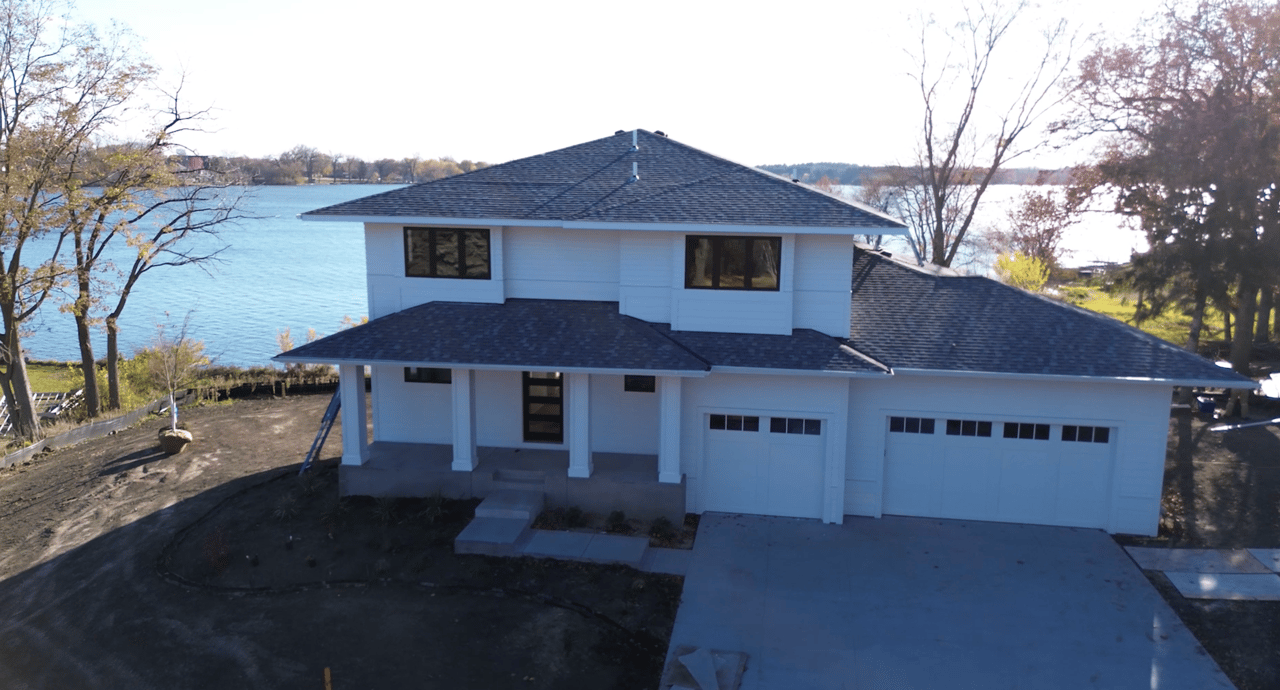
If you’re thinking about building in the Northern Suburbs — on a lake, near a golf course, or in an established neighborhood — I’m happy to talk through whether building truly makes sense for you and what the process would look like from start to finish.
---
Ornell Group Real Estate | Tim Ornell
Northern Suburbs Luxury & Waterfront Specialist
Real Brokerage | Luxury Division
Institute for Luxury Home Marketing – GUILD Certified
$200M+ Sold | 200+ Transactions
[email protected] | ornellgroup.com
Content provided by Ornell Group Real Estate. Brokered by Real Broker. Select content enhanced with AI-assisted tools. Market data subject to change.