By Tim Ornell
The first home you buy is likely the largest financial commitment you've made up to that point in your life. Most first-time buyers know what they want — more bedrooms, a garage, a yard, proximity to the lake. What catches them off guard is what they don't know to look for: the condition of the roof, the age of the mechanical systems, the structural signals hidden behind fresh paint. I've guided enough first-time buyers through homes in the northern suburbs to know that preparation is the difference between a smooth closing and an expensive surprise. Here's what to focus on before you sign anything.
Key Takeaways
-
A professional home inspection is one of the most important steps in any home purchase, regardless of the home's age or price
-
First-time buyers should assess structural, mechanical, and exterior systems — not just interior finishes
-
Pre-approval, understanding your actual budget, and knowing Minnesota's buyer assistance programs can expand your options
-
The right agent helps you read the condition of a home before the inspector ever sets foot inside
Start With Your Financial Foundation
Before you walk through a single property, your financing should be in order. A pre-approval letter from a lender tells sellers you're a serious buyer and lets you move quickly when you find the right home.
Key financial steps before starting your search:
-
Get pre-approved, not just pre-qualified. Pre-approval involves verified income, assets, and credit — and carries weight in competitive offer situations that pre-qualification alone does not.
-
Know your real budget. The maximum amount a lender approves isn't always the number that makes the most sense for your life. Factor in property taxes, HOA fees if applicable, utilities, and the cost of maintaining a northern Minnesota home through winter.
-
Understand Minnesota's first-time buyer programs. The Minnesota Housing Finance Agency's Start Up program offers first-time buyers fixed-rate financing with down payments as low as 3% and income limits up to $134,800 in the Twin Cities metro. Down payment and closing cost loan assistance of up to $18,000 is available for eligible buyers. Anoka County participates in the program through approved lenders.
-
Account for closing costs. Beyond the down payment, budget for 2–5% of the purchase price in closing costs, including lender fees, title insurance, and prepaid property taxes and insurance.
What to Evaluate Before the Inspection
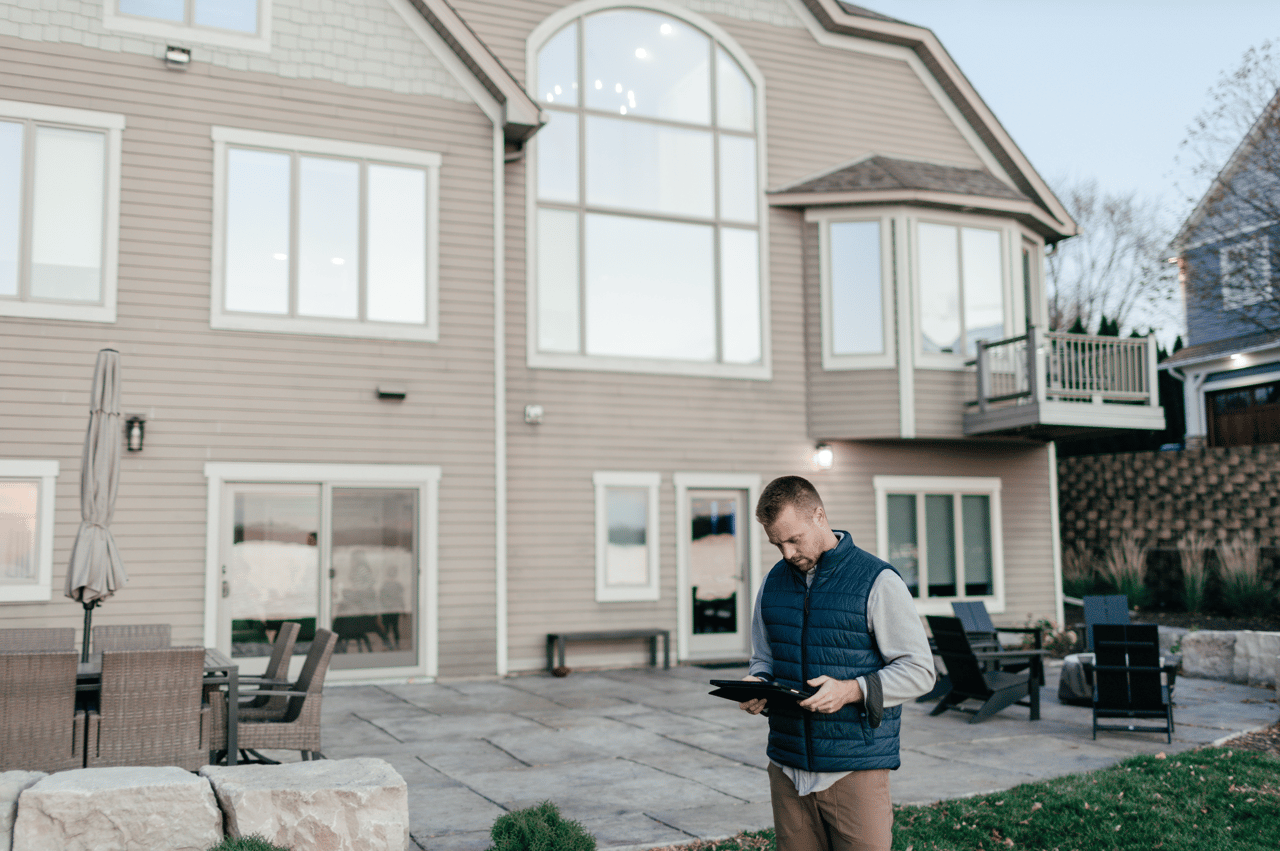
A home inspection is essential, but don't wait for it to start gathering information. During showings, train your eye on the things most likely to carry the biggest repair price tags.
Structural and exterior red flags to watch for:
-
Cracks in the foundation, especially horizontal cracks in basement walls
-
Uneven floors, doors that stick or don't close fully, or gaps in window frames — all potential signs of settling
-
Roofing condition: missing, curled, or granule-shedding shingles; sagging ridgelines; gutters that are pulling away from the fascia
-
Fresh paint in a basement or on exterior walls — sometimes a cosmetic cover for water intrusion or mold
-
Evidence of standing water around the foundation or grading that slopes toward the home
The Home Inspection: What It Covers and Why It Matters
After your offer is accepted, hire a licensed home inspector before you close. An inspection typically takes two to four hours and covers every accessible system in the home. The cost generally runs between $300 and $500 depending on the property size.
The four most critical systems a home inspector evaluates:
-
Roof and attic. Active leaks, damaged materials, insulation condition, and signs of mold or pest activity in the attic space.
-
Foundation and structure. Cracks, evidence of water infiltration, and structural integrity of the basement walls and floor system.
-
HVAC, plumbing, and electrical. System age, function, and any code-compliance concerns. In Minnesota, HVAC performance is non-negotiable — an aging system that can't handle sub-zero temperatures is a significant cost.
-
Water intrusion and moisture. The most common and most expensive hidden issue in residential real estate. Inspectors check for staining, mold, efflorescence on basement walls, and drainage performance around the property.
One Minnesota-specific item to address: radon. The Minnesota Department of Health reports elevated radon levels in a significant percentage of homes statewide. If the inspector doesn't include radon testing in the standard inspection, order a separate radon test. Mitigation systems, if needed, are available and generally cost between $800 and $2,500 to install.
Understanding What You're Actually Buying
Inspections give you condition data. But there are things beyond the inspection report worth thinking through before you commit.
Questions to ask before closing on a home:
-
What is the age and service history of the furnace, water heater, and roof? These three items alone can represent tens of thousands of dollars in near-term replacement costs.
-
Has any work been done without permits? Unpermitted additions or electrical work can complicate future sales and create financing issues.
-
What are the utility costs? Ask the seller for a full year of utility bills, particularly for heating costs on a Minnesota property with older windows or insulation.
-
Does the home have a septic system? Many northern suburb properties outside city utility service areas rely on septic systems, which require separate inspection by a licensed professional.
-
What is the neighborhood's long-term trajectory? For buyers in communities like Centerville, White Bear Lake, or Shoreview, proximity to the lake corridor and the broader northern suburbs market has been a consistent value driver.
Frequently Asked Questions
How long does the home buying process typically take from start to close?
From pre-approval to closing, most purchases in the northern Twin Cities suburbs take 30 to 60 days once an offer is accepted. The timeline depends on financing type, inspection outcomes, and how quickly any negotiated repairs or credits are resolved. Starting the pre-approval process early gives you the flexibility to move fast when the right home comes up.
Should I waive the home inspection to make my offer more competitive?
I strongly advise against it. In a competitive offer situation, I work with buyers to structure their offer strategically — terms, timeline, and escalation clauses — without giving up the inspection contingency. The inspection is your best opportunity to understand the true condition of the property before you take ownership of it.
What Minnesota programs are available to help first-time buyers with down payments?
Minnesota Housing's Start Up program offers down payment and closing cost loans up to $18,000 for eligible first-time buyers. Anoka County also participates in the program through approved local lenders. In 2023, Minnesota introduced the First-Generation Homebuyers Community Down Payment Assistance Fund, which offers forgivable assistance of up to 10% of the purchase price — capped at $32,000 — for qualifying buyers whose parents have never owned a home.
Buy Your First Home in the Northern Suburbs With Clear Guidance
The northern Twin Cities market — White Bear Lake, Centerville, Shoreview, Bald Eagle Lake, and the surrounding lake communities — is a strong place to make a first home purchase. Inventory is limited, and positioning yourself as a prepared, pre-approved buyer with a clear sense of what to look for gives you a real advantage.
Tim Ornell works directly with buyers at every stage of the process, from navigating pre-approval and evaluating properties to negotiating terms and advising on inspection outcomes. Reach out to me to learn more about how I help first-time buyers find the right home in the northern suburbs.
Tim Ornell works directly with buyers at every stage of the process, from navigating pre-approval and evaluating properties to negotiating terms and advising on inspection outcomes. Reach out to me to learn more about how I help first-time buyers find the right home in the northern suburbs.