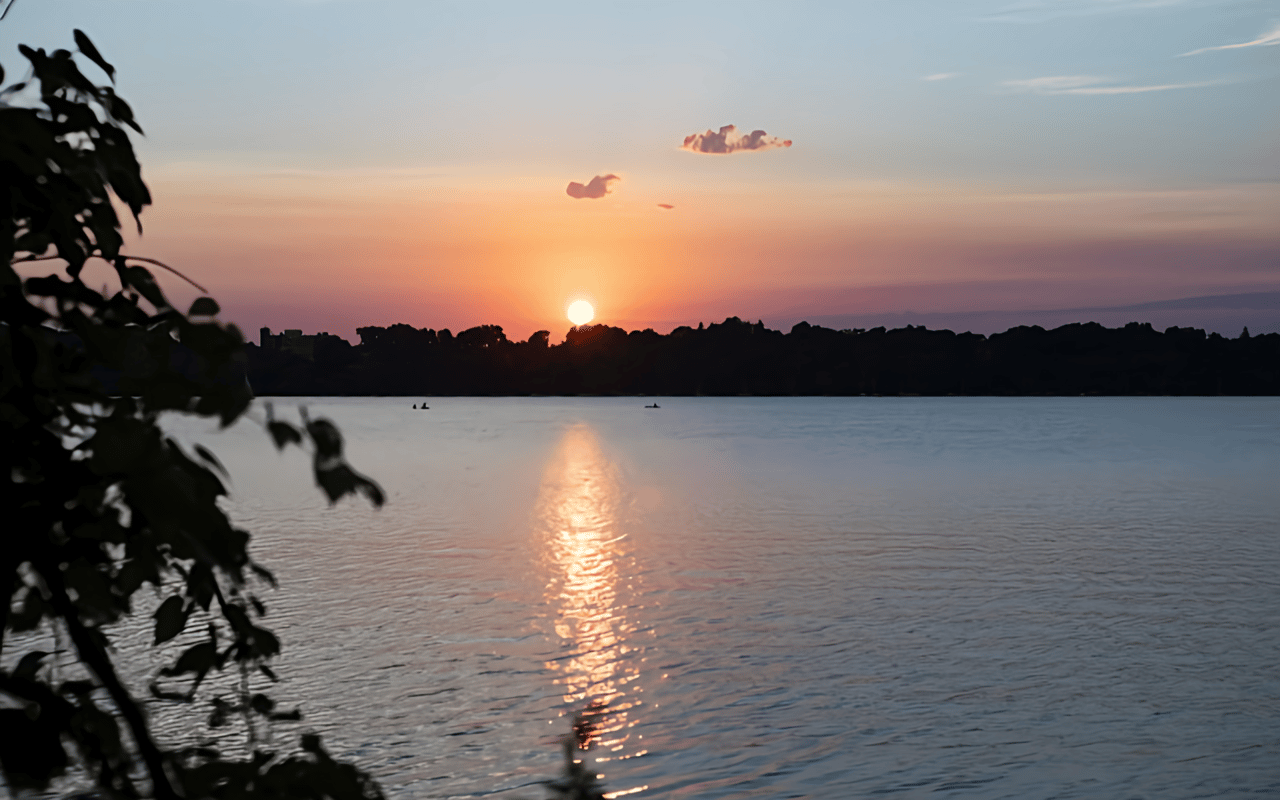
White Bear Lake has a rich history, a strong sense of place, and numerous details that even long-time residents may not be fully aware of. Its lake-centered identity, connections to Minnesota culture, and surprising local landmarks offer plenty to explore beneath the surface. If you're searching for facts about White Bear Lake MN, the lesser-known stories and unique characteristics below help paint a fuller picture of this remarkable lakeside community.
The Lake Inspired One of Minnesota’s Most Famous Legends
White Bear Lake’s name is tied to a well-known Dakota and Ojibwe legend involving a white bear and a tragic love story. Versions of the tale differ by tribe and storyteller, but the essential narrative centers on a brave warrior, a young woman, and a mythical bear whose spirit remained tied to the lake. Early French explorers later adapted and embellished the legend, and its mystical tone helped give the area cultural significance long before the modern city existed.
Today, the legend continues to shape local identity. You can see references to the white bear throughout the community in public art, business names, school mascots, and city branding. The story gives White Bear Lake a sense of continuity with Minnesota’s broader heritage.
Today, the legend continues to shape local identity. You can see references to the white bear throughout the community in public art, business names, school mascots, and city branding. The story gives White Bear Lake a sense of continuity with Minnesota’s broader heritage.
Mark Twain Once Wrote About White Bear Lake
White Bear Lake was once considered one of the premier resort destinations in the Midwest, drawing national attention during the late 1800s. Mark Twain wrote about the lake in the St. Paul Pioneer Press, noting its popularity among well-to-do travelers who arrived by rail to stay in grand lakeside hotels.
Twain’s commentary helped cement the lake’s reputation as a major getaway during that era. While most of the resort structures are long gone, the legacy remains. Visitors today can still see remnants of the area’s resort past in historic homes, restored buildings, and preserved public shoreline areas.
Twain’s commentary helped cement the lake’s reputation as a major getaway during that era. While most of the resort structures are long gone, the legacy remains. Visitors today can still see remnants of the area’s resort past in historic homes, restored buildings, and preserved public shoreline areas.
It Was Once a Major Ice Harvesting Hub
Before the advent of modern refrigeration, White Bear Lake played a pivotal role in Minnesota’s ice industry. Throughout the late 19th and early 20th centuries, large blocks of ice were cut from the lake each winter and transported by rail to cities around the Midwest. The local ice was valued for its clarity and density, which made it ideal for long-distance storage.
Evidence of this history still appears in old photographs, museum archives, and historic markers. The practice also influenced shoreline development patterns, leaving behind areas once used as staging grounds for ice harvesting operations.
Evidence of this history still appears in old photographs, museum archives, and historic markers. The practice also influenced shoreline development patterns, leaving behind areas once used as staging grounds for ice harvesting operations.
The Lake Contains Unique Geological Features
White Bear Lake is situated in a glacially carved basin formed at the end of the last Ice Age, which gives it a distinctive shape and depth profile. The lake’s clear water and sandy-bottom areas reflect this glacial origin, making it popular for boating and swimming. Its watershed spans multiple communities, giving the lake a larger environmental footprint than many realize.
For residents, this geological background is essential because it affects water clarity, fish habitat, and hydrological patterns. The lake’s fluctuating water levels, for instance, are tied to groundwater dynamics that extend well beyond the shoreline.
For residents, this geological background is essential because it affects water clarity, fish habitat, and hydrological patterns. The lake’s fluctuating water levels, for instance, are tied to groundwater dynamics that extend well beyond the shoreline.
You Can Visit One of the Oldest Running Lakeside Restaurants in the State
White Bear Lake is home to one of Minnesota’s longest-operating lakeside dining establishments. Restaurants along the lake began appearing in the early 1900s to serve vacationers arriving by trolley and steamboat. Some of today’s eateries occupy the same footprints or even the same structures used during the resort era.
This continuity helps maintain the area’s nostalgic feel. Dining on the lake shores connects residents to a tradition that stretches back more than a century (a detail that many people overlook when enjoying modern meals on historic ground).
This continuity helps maintain the area’s nostalgic feel. Dining on the lake shores connects residents to a tradition that stretches back more than a century (a detail that many people overlook when enjoying modern meals on historic ground).
The City Has a Rare Collection of Historic Homes
White Bear Lake contains a notable concentration of early 20th-century architecture, including Craftsman bungalows, Prairie-style homes, and classic lake cottages. Several neighborhoods preserve original layouts, giving visitors a glimpse into how the community developed during its resort and commuter-town phases.
Homeowners appreciate this mix because it lends character and authenticity to the area. Those walking or biking through the city will often encounter plaques, restored façades, and preserved landmarks that showcase architectural trends spanning multiple generations.
Homeowners appreciate this mix because it lends character and authenticity to the area. Those walking or biking through the city will often encounter plaques, restored façades, and preserved landmarks that showcase architectural trends spanning multiple generations.
It Has Its Own Steamboat History
Steamboats once operated on White Bear Lake, transporting vacationers between hotels, private docks, and entertainment venues. These boats helped shape the lake’s social life, acting as floating gathering spaces for visitors during the summer months.
While the original fleet has disappeared, historical societies preserve documents and images of these vessels. Their presence helped define White Bear Lake as a recreational hotspot well before the automobile era.
While the original fleet has disappeared, historical societies preserve documents and images of these vessels. Their presence helped define White Bear Lake as a recreational hotspot well before the automobile era.
Local Wildlife Is More Diverse Than Many Realize
White Bear Lake and its surrounding wetlands support an unexpectedly rich ecosystem. Bald eagles, herons, loons, and foxes are familiar sights, especially in less-developed shoreline areas and nearby parks. The lake’s fish population includes walleye, northern pike, bass, and panfish, making it a popular spot for anglers.
This biodiversity contributes to the area’s natural appeal. Residents often remark on how closely they feel connected to Minnesota’s native wildlife, despite living in a suburban environment.
This biodiversity contributes to the area’s natural appeal. Residents often remark on how closely they feel connected to Minnesota’s native wildlife, despite living in a suburban environment.
Its Regional Trail Connections Are Expansive
White Bear Lake is connected to a large network of regional trails, including the Hardwood Creek Trail, the Bruce Vento Regional Trail, and the Gateway State Trail. These pathways allow residents to bike or walk for miles across Ramsey and Washington counties without needing to drive.
The connectivity enhances local mobility and recreation. Many people new to the area are surprised by how seamlessly these trails link neighborhoods to parks, downtown areas, and nearby communities.
The connectivity enhances local mobility and recreation. Many people new to the area are surprised by how seamlessly these trails link neighborhoods to parks, downtown areas, and nearby communities.
Discover More with a Local Expert
Learning about the deeper facts about White Bear Lake MN reveals a community with far-reaching roots, surprising stories, and distinctive geography. For anyone considering a move to the area, the Ornell Group can help you explore its neighborhoods, homes, and lakeside lifestyle with confidence.
Reach out today to begin your White Bear Lake journey with guidance from a dedicated local professional.
Reach out today to begin your White Bear Lake journey with guidance from a dedicated local professional.