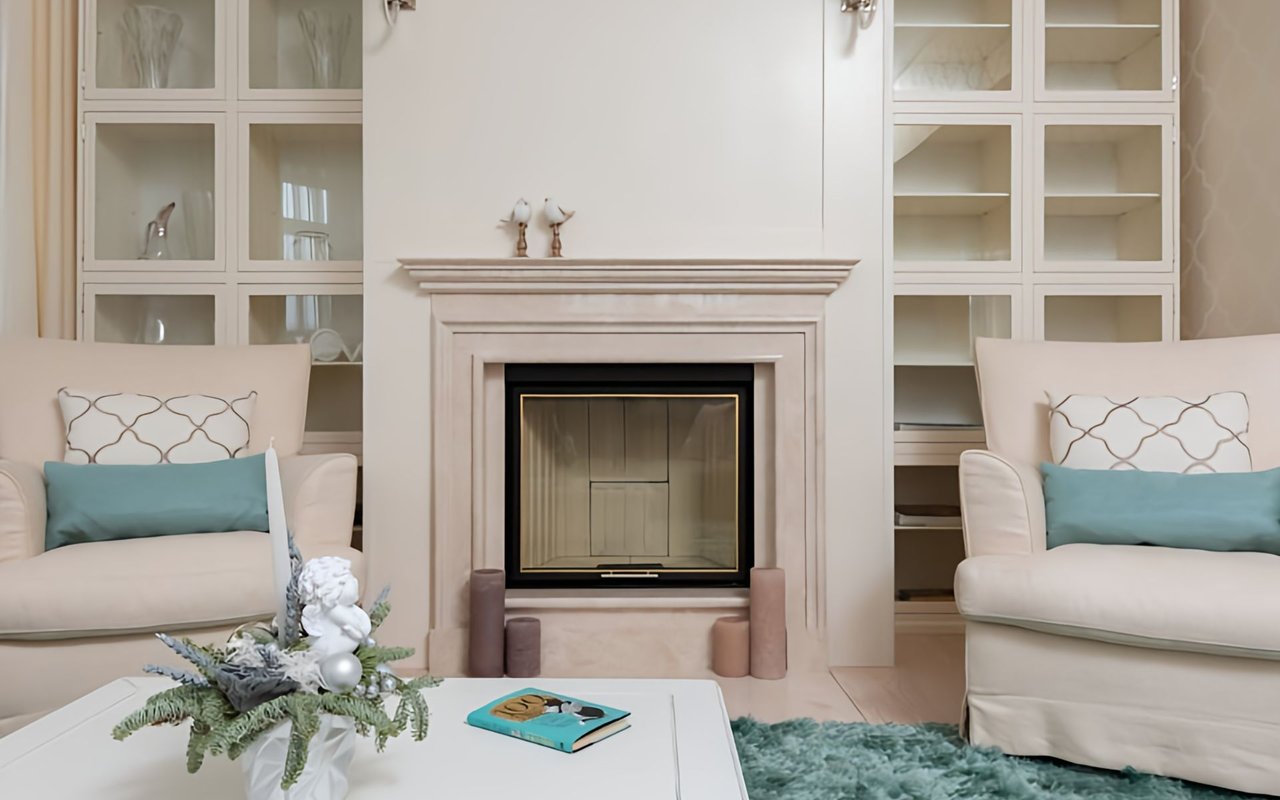
Modern classic style is one of the most enduring approaches to interior design, merging timeless elegance with the clean lines and simplicity that today’s homes require. You may have seen interiors that feel graceful yet uncluttered and where ornate detailing is balanced by sleek finishes, wondering what makes them so captivating. That balance lies in the heart of modern classic design. It offers sophistication without formality, warmth without clutter, and beauty that lasts beyond shifting trends.
This style is a favorite among homeowners who want a space that feels refined but not outdated. Instead of leaning entirely into ornate classicism or minimal modernism, modern classic style blends the best of both worlds. It gives you a home that feels stylish today and will still feel stylish decades from now. It’s all about proportion, contrast, and choosing the right mix of traditional and contemporary elements so that neither overwhelms the other.
Whether you’re considering a complete home redesign or simply refreshing a room, understanding modern classic style can help you create spaces that feel balanced and timeless.
Defining The Core Characteristics
At its essence, modern classic design is defined by symmetry, refined materials, and a convergence of old and new. You’ll often see architectural details like crown molding, paneling, or wainscoting paired with streamlined furniture that avoids excessive ornamentation. The room is neither stark nor overly decorated; it’s balanced.
Color palettes tend to remain neutral, focusing on shades of cream, beige, gray, and white. These are often accented with deeper hues like navy, charcoal, or emerald green. This creates a sense of calm and allows statement furniture or artwork to stand out without overwhelming the room. The neutrality ensures that the space feels timeless, while accent colors can evolve with your personal style over time.
Furniture often borrows from traditional forms but is reinterpreted in a more minimal approach. For example, a sofa may have elegant curved arms, but it will be upholstered in a clean, modern fabric. A dining table might have a classic silhouette but be finished in a sleek lacquer or matte wood. The idea is to nod to tradition without recreating an ornate past.
Lighting plays a critical role as well. Chandeliers inspired by classical design may be updated with modern metals, or streamlined pendants may be combined with decorative sconces. These elements ensure that your space has both functional and visual appeal, maintaining the layered feel that makes these interiors feel complete.
Color palettes tend to remain neutral, focusing on shades of cream, beige, gray, and white. These are often accented with deeper hues like navy, charcoal, or emerald green. This creates a sense of calm and allows statement furniture or artwork to stand out without overwhelming the room. The neutrality ensures that the space feels timeless, while accent colors can evolve with your personal style over time.
Furniture often borrows from traditional forms but is reinterpreted in a more minimal approach. For example, a sofa may have elegant curved arms, but it will be upholstered in a clean, modern fabric. A dining table might have a classic silhouette but be finished in a sleek lacquer or matte wood. The idea is to nod to tradition without recreating an ornate past.
Lighting plays a critical role as well. Chandeliers inspired by classical design may be updated with modern metals, or streamlined pendants may be combined with decorative sconces. These elements ensure that your space has both functional and visual appeal, maintaining the layered feel that makes these interiors feel complete.
The Balance Between Old And New
One of the most intriguing aspects of modern classic style is how it respects traditional design while confidently embracing contemporary living. Classic interiors on their own can sometimes feel heavy, while ultra-modern spaces may seem too cold or impersonal. By blending them, you create an environment that feels both grounded and inviting.
Consider how a living room might look in this style: paneled walls painted in a soft neutral, a marble fireplace as the focal point, and above it, a piece of abstract art that introduces color and movement. The sofa could feature a slightly traditional silhouette but be paired with modern accent chairs in bold fabric. The combination brings richness without feeling dated.
This blend also makes modern classic style incredibly adaptable. If you lean more toward contemporary preferences, you can simplify the ornamentation and keep the décor minimal. If you appreciate a more traditional approach, you can layer in antique pieces or decorative accessories while still keeping the overall look uncluttered. This flexibility is part of what makes the style appealing.
The balance also extends to how the space is used. Classic interiors were often designed more formally, with separate rooms for different functions, while modern design celebrates open-plan living. A modern classic home respects both — flowing layouts that feel connected but with subtle architectural details that give definition to each area.
Consider how a living room might look in this style: paneled walls painted in a soft neutral, a marble fireplace as the focal point, and above it, a piece of abstract art that introduces color and movement. The sofa could feature a slightly traditional silhouette but be paired with modern accent chairs in bold fabric. The combination brings richness without feeling dated.
This blend also makes modern classic style incredibly adaptable. If you lean more toward contemporary preferences, you can simplify the ornamentation and keep the décor minimal. If you appreciate a more traditional approach, you can layer in antique pieces or decorative accessories while still keeping the overall look uncluttered. This flexibility is part of what makes the style appealing.
The balance also extends to how the space is used. Classic interiors were often designed more formally, with separate rooms for different functions, while modern design celebrates open-plan living. A modern classic home respects both — flowing layouts that feel connected but with subtle architectural details that give definition to each area.
Color Palettes That Define The Style
When you think of modern classic interiors, one of the first things that comes to mind is their carefully chosen color schemes. These palettes are calm, elegant, and easy to live with. They lean on neutrals as the foundation because neutrals allow architectural elements and furniture to shine without visual chaos.
Walls are often kept in lighter shades — soft white, ivory, beige, or pale gray — because these colors highlight moldings and paneling while also reflecting natural light beautifully. Accent colors are typically introduced through upholstery, artwork, or rugs. Deep hues like navy or charcoal ground the room, while metallics, such as gold or brass, add a touch of luxury without overpowering.
In some modern classic spaces, you’ll find a monochromatic scheme, where varying shades of one color are layered for depth. For example, different tones of gray can create an incredibly soothing atmosphere, especially when paired with texture-rich fabrics. For homeowners who enjoy a little more drama, jewel tones can be introduced sparingly; an emerald velvet chair or sapphire throw pillows can make a statement in an otherwise neutral room.
The key is restraint. Unlike maximalist interiors that thrive on clashing colors, modern classic design values harmony. Each color is chosen to complement the next, creating an overall effect that feels calm yet elevated. This makes the home not only beautiful but also comfortable to live in every day.
Walls are often kept in lighter shades — soft white, ivory, beige, or pale gray — because these colors highlight moldings and paneling while also reflecting natural light beautifully. Accent colors are typically introduced through upholstery, artwork, or rugs. Deep hues like navy or charcoal ground the room, while metallics, such as gold or brass, add a touch of luxury without overpowering.
In some modern classic spaces, you’ll find a monochromatic scheme, where varying shades of one color are layered for depth. For example, different tones of gray can create an incredibly soothing atmosphere, especially when paired with texture-rich fabrics. For homeowners who enjoy a little more drama, jewel tones can be introduced sparingly; an emerald velvet chair or sapphire throw pillows can make a statement in an otherwise neutral room.
The key is restraint. Unlike maximalist interiors that thrive on clashing colors, modern classic design values harmony. Each color is chosen to complement the next, creating an overall effect that feels calm yet elevated. This makes the home not only beautiful but also comfortable to live in every day.
Materials And Textures
Materials are another defining factor in modern classic interiors. High-quality, natural materials provide the foundation, often mixed with sleek finishes that reflect a more modern sensibility. Stone, wood, glass, and metal all play important roles in creating balance.
Marble is especially common, often used for fireplaces, countertops, or tabletops. Its veining adds organic movement and instantly elevates a room. Wood, particularly in medium to dark stains, provides warmth and connects the space to tradition. Paired with polished metals like brass, chrome, or brushed nickel, these elements achieve a harmonious look.
Fabrics are just as important. Soft upholstery in linen, velvet, or leather adds depth and tactile comfort. Curtains might be floor-length and elegant but made of lightweight material to keep the look fresh. Rugs often feature subtle patterns, such as herringbone or geometric designs, that bridge classic and contemporary sensibilities.
Texture layering is what ensures modern classic interiors never feel flat. Combining smooth marble with soft velvet, polished brass with matte wood, or glass with textured fabric creates a sense of richness. This interplay is subtle but powerful; it ensures the home feels complete without unnecessary decoration.
Marble is especially common, often used for fireplaces, countertops, or tabletops. Its veining adds organic movement and instantly elevates a room. Wood, particularly in medium to dark stains, provides warmth and connects the space to tradition. Paired with polished metals like brass, chrome, or brushed nickel, these elements achieve a harmonious look.
Fabrics are just as important. Soft upholstery in linen, velvet, or leather adds depth and tactile comfort. Curtains might be floor-length and elegant but made of lightweight material to keep the look fresh. Rugs often feature subtle patterns, such as herringbone or geometric designs, that bridge classic and contemporary sensibilities.
Texture layering is what ensures modern classic interiors never feel flat. Combining smooth marble with soft velvet, polished brass with matte wood, or glass with textured fabric creates a sense of richness. This interplay is subtle but powerful; it ensures the home feels complete without unnecessary decoration.
Furniture Choices
Furniture in modern classic interiors tends to strike a perfect balance between comfort and elegance. The pieces are carefully selected to honor traditional shapes while feeling relevant to contemporary lifestyles. They’re neither too ornate nor too stark, which allows them to blend seamlessly with architectural details.
Sofas, for example, may have tufted backs reminiscent of classic styles but will be upholstered in a neutral fabric with clean lines. Dining tables are often grand in scale but minimal in decoration, paired with upholstered chairs that are stylish and comfortable. Accent chairs, coffee tables, and consoles follow the same principle: slim silhouettes with subtle details.
One hallmark of modern classic furniture is its emphasis on proportion. Each piece is chosen to fit the scale of the room, reinforcing balance. Oversized furniture that dominates the space is avoided, just as overly delicate pieces are. Instead, the goal is harmony, ensuring every element contributes to the whole without overpowering it.
Investment pieces are common in this style. Since the design is timeless, many homeowners choose to invest in high-quality items that will last for decades. These pieces form the backbone of the room, while accessories and smaller décor items can evolve over time to reflect changing tastes.
Sofas, for example, may have tufted backs reminiscent of classic styles but will be upholstered in a neutral fabric with clean lines. Dining tables are often grand in scale but minimal in decoration, paired with upholstered chairs that are stylish and comfortable. Accent chairs, coffee tables, and consoles follow the same principle: slim silhouettes with subtle details.
One hallmark of modern classic furniture is its emphasis on proportion. Each piece is chosen to fit the scale of the room, reinforcing balance. Oversized furniture that dominates the space is avoided, just as overly delicate pieces are. Instead, the goal is harmony, ensuring every element contributes to the whole without overpowering it.
Investment pieces are common in this style. Since the design is timeless, many homeowners choose to invest in high-quality items that will last for decades. These pieces form the backbone of the room, while accessories and smaller décor items can evolve over time to reflect changing tastes.
Lighting As A Focal Point
Lighting is one of the most expressive aspects of modern classic design. While its purpose is functional, lighting also serves as artwork, anchoring and defining spaces. The right fixture can instantly elevate a room and reinforce the balance between tradition and modernity.
Chandeliers are often a centerpiece in living rooms, dining rooms, or entryways. These may echo classical forms, updated with cleaner lines, new materials, or simplified designs. Pendant lighting is used in kitchens and casual dining areas, while wall sconces add soft illumination in hallways and bedrooms.
Table lamps and floor lamps are equally important, chosen not just for function but also for their sculptural quality. A lamp base may borrow from a neoclassical column, while its shade remains sleek and modern. The layering of different light sources ensures that the space feels warm and adaptable.
Chandeliers are often a centerpiece in living rooms, dining rooms, or entryways. These may echo classical forms, updated with cleaner lines, new materials, or simplified designs. Pendant lighting is used in kitchens and casual dining areas, while wall sconces add soft illumination in hallways and bedrooms.
Table lamps and floor lamps are equally important, chosen not just for function but also for their sculptural quality. A lamp base may borrow from a neoclassical column, while its shade remains sleek and modern. The layering of different light sources ensures that the space feels warm and adaptable.
Accessories And Styling
Accessories in modern classic interiors are carefully curated rather than abundant. The style emphasizes quality over quantity, which means that each piece is chosen with purpose. Artwork, decorative objects, and textiles complete the space while reinforcing its character.
Artwork is often a mix of classical-inspired pieces and contemporary works. A framed sketch or landscape might sit alongside a bold abstract painting, creating dialogue between past and present. Decorative objects, such as vases, sculptures, or trays, are used sparingly, often placed symmetrically to enhance balance.
Artwork is often a mix of classical-inspired pieces and contemporary works. A framed sketch or landscape might sit alongside a bold abstract painting, creating dialogue between past and present. Decorative objects, such as vases, sculptures, or trays, are used sparingly, often placed symmetrically to enhance balance.
Achieve Your Homeownership Dreams
Modern classic style is more than just a convergence of traditional and contemporary; it’s a philosophy of balance, proportion, and timeless elegance. It allows you to create spaces that feel refined without being stuffy, modern without being stark, and always welcoming.
Whether you want to transform a single room or your entire home, this design style offers a roadmap for beauty that lasts. If you’re ready to find a standout home in White Bear Lake, MN, consult the Ornell Group for trusted insight as you search for the right match.
Whether you want to transform a single room or your entire home, this design style offers a roadmap for beauty that lasts. If you’re ready to find a standout home in White Bear Lake, MN, consult the Ornell Group for trusted insight as you search for the right match.