Shoreline footage is the single most important variable in lake home pricing in the Twin Cities — and it is also the most misunderstood.
Here is what it actually means, how it is measured, what it is worth, and what buyers and sellers need to know before they price, offer, or negotiate on any waterfront property in the north metro.
What shoreline footage means
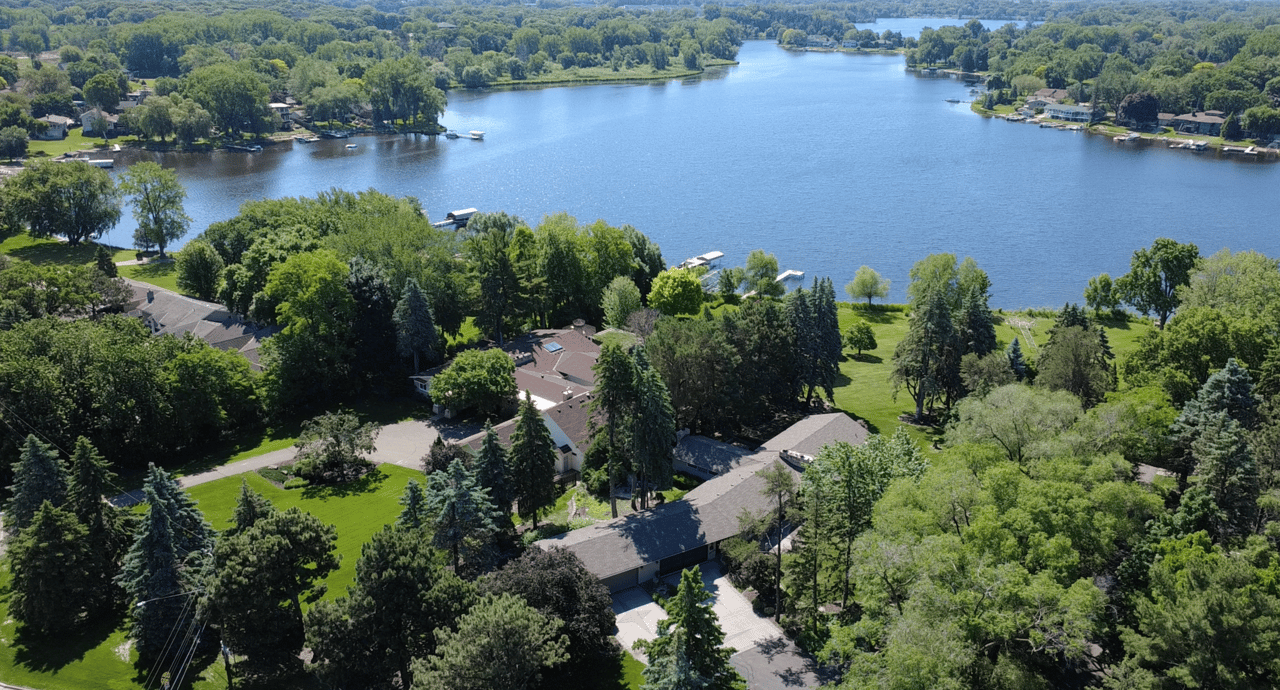
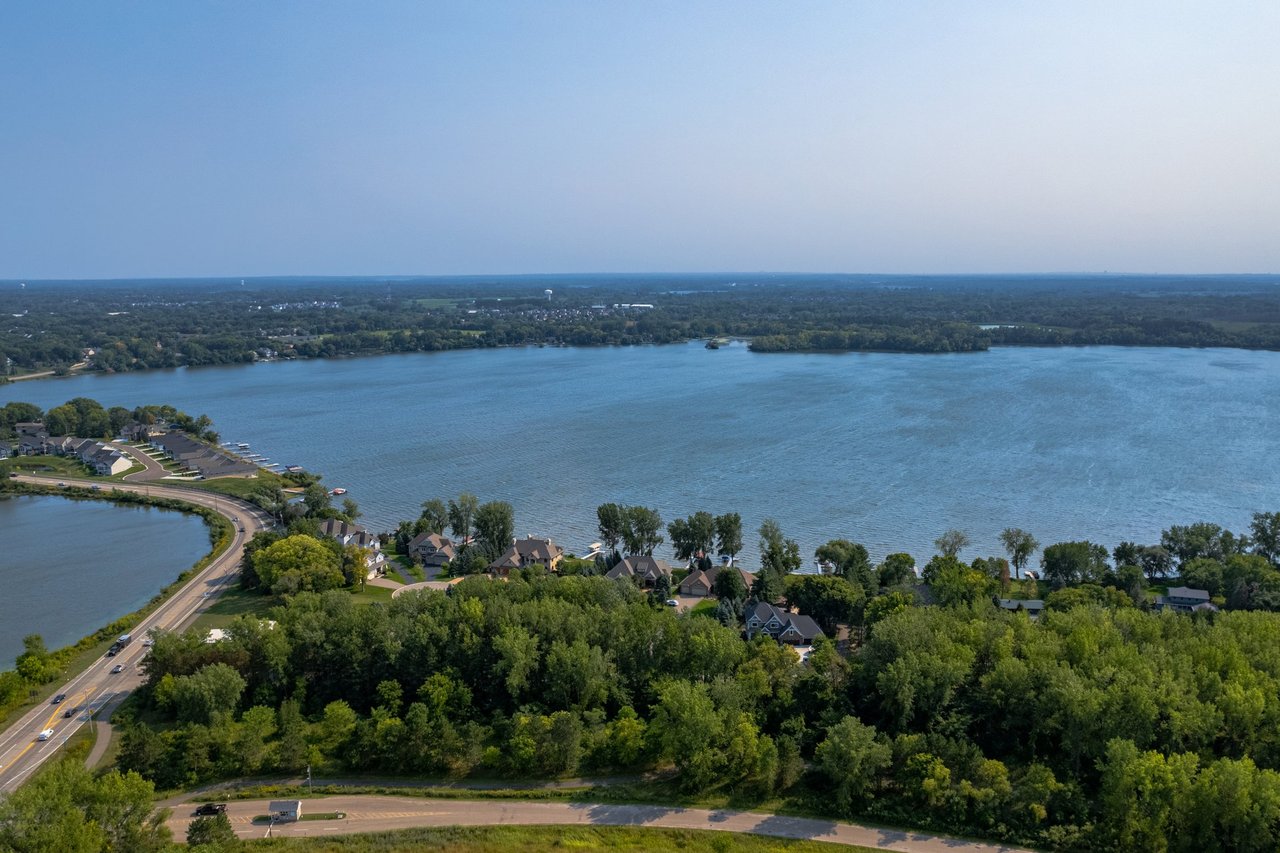
Shoreline footage refers to the linear feet of a property's boundary that directly contacts the lake. A lot with 100 feet of shoreline has 100 feet of direct water frontage. A lot with 50 feet has half that.
This matters because shoreline footage determines how much lake you actually have. It determines dock width, boat storage capacity, swimming area, privacy from neighbors, and the sense of openness and ownership you feel when you are on the water. A lake home with 150 feet of shoreline feels fundamentally different from one with 60 feet — regardless of what the house itself looks like.
How shoreline footage affects price
In the Twin Cities north metro waterfront market, quality shoreline footage commands a consistent and measurable premium. The relationship is not perfectly linear — additional footage has diminishing returns at the extreme high end — but as a general principle, more shoreline equals more value, and the market prices it accordingly.
On lakes like White Bear Lake, Bald Eagle Lake, and Centerville Lake, the difference between a 60-foot lot and a 100-foot lot of otherwise comparable quality can represent $100,000 to $200,000 in market value depending on the lake and the current demand environment. On premium lakes at the top of the market that spread can be significantly larger.
Shoreline footage is not the whole story
Here is what most buyers and sellers miss: raw footage alone does not determine value. The quality and usability of that shoreline is equally important.
Sandy, gradual-entry shoreline with a clean bottom and good water depth is the benchmark. It is swimmable, dockable, and delivers the full lake experience. Rocky, weedy, or shallow shoreline with limited water depth is a different asset — more footage does not compensate for poor quality.
Orientation is the other critical variable. Southwest-facing shoreline captures afternoon sun and sunset views. On a recreational lake in Minnesota where the prime use season is May through September, afternoon and evening use is when families are actually on the water. A southwest lot with 80 feet of frontage will frequently outperform a northeast lot with 120 feet when everything else is comparable.
Road between the home and water
In many lake home situations a seasonal or public road runs between the home and the shoreline. The buyer owns the home but crosses a road to reach the water. This is a meaningful value discount relative to properties with direct water access and no road interruption. Buyers should always confirm exactly what they are buying — a deed that includes the shoreline directly or a separate outlot accessed across a road — before they are emotionally committed to a property.
What this means for buyers
When evaluating any lake home, look beyond the total footage number and evaluate the actual quality. Walk the shoreline. Check the water depth at the end of where a dock would sit. Assess the orientation and where the sun is in the afternoon. Understand the road situation. These factors together — not the footage number alone — determine what you are actually buying.
What this means for sellers
If your property has strong shoreline characteristics — good footage, quality bottom, southwest orientation, direct access — make sure your marketing communicates this explicitly. Buyers who understand lake value will pay for it. Buyers who cannot assess it from your marketing will not.
If your shoreline has challenges — weedy bottom, shallow water, limited footage — preparation before listing matters. Shoreline cleanup, aquatic weed treatment, and dock staging can meaningfully improve first impressions and buyer perception.
The bottom line
Shoreline footage is the starting point of lake home valuation in the Twin Cities. Quality, orientation, and access complete the picture. Understanding all four variables — and how they interact — is what separates an accurate lake home valuation from a guess.
If you want to know what your shoreline is actually worth in today's market on your specific lake — that conversation starts here.
Tim Ornell · Ornell Group Lake Home Specialist · Twin Cities North Metro 651.263.9480 · ornellgroup.com