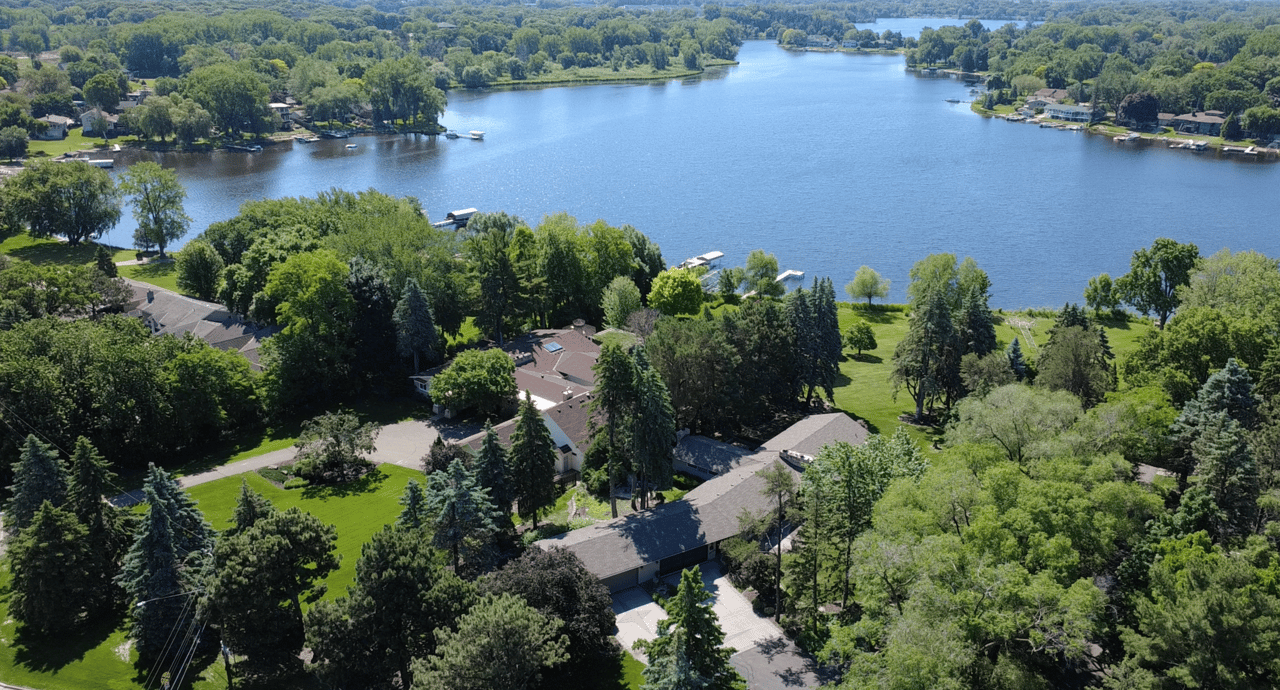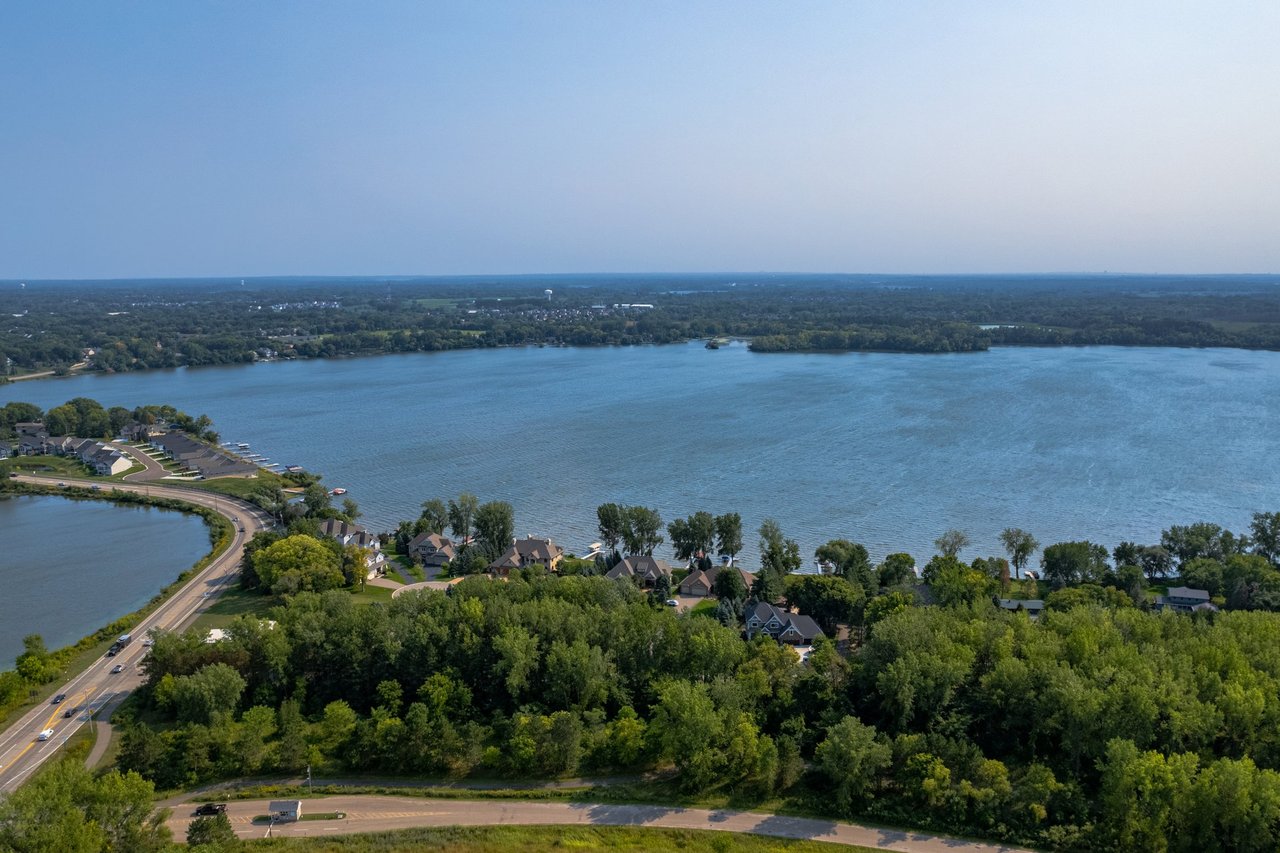
When someone buys a lake lot or considers tearing down a lake home, the excitement usually centers on design.
Glass walls.
Black windows.
Commercial kitchen.
Outdoor living.
That’s secondary.
The first question is:
What will this sell for — and does that number make sense?
Before breaking ground on a waterfront build, we run three numbers.
-
The Realistic Resale Ceiling
Every lake — and every part of the lake — has a pricing ceiling.
On Bald Eagle, certain stretches support new construction above others.
On Centerville, limited residential count compresses supply but also defines the upper band.
On Forest Lake near Clear Lake, community perception influences value banding.
On White Bear, legacy positioning in specific areas drives ceiling strength.
On Minnetonka and Prior, bay identity and exposure orientation can materially shift resale expectations.
You cannot build beyond what the stretch of shoreline supports.
Overbuilding relative to the lake ceiling erodes margin.
-
The Total Cost Position
Land acquisition
Demolition
Engineering
Construction
Carrying cost
Marketing and transaction costs
Builders who succeed on the water do not look at construction cost alone.
They look at total capital deployed.
If the projected resale value leaves thin margin relative to risk, discipline wins.
If the numbers create room for profit and market variability, ground moves.
-
The Competing Inventory Forecast
What will the market look like when the home is finished?
Are other new builds underway nearby?
Is redevelopment lifting the entire stretch?
Is supply compressing or expanding?
Waterfront is slow-moving. By the time a build completes, market dynamics may have shifted.
The strongest projects are underwritten conservatively.
Now the key point.
Waterfront buyers are sophisticated.
They compare:
Exposure
Dock depth
Lot width
Rebuild potential
Design restraint
If the home feels overbuilt for the lot, buyers hesitate.
If the home feels intentionally placed and aligned with the lake, buyers compete.
New construction works on the water when:
The lot supports scale
The lake supports price
The part of the lake supports ceiling
The numbers support margin
Anything outside of that becomes speculation.
We recently closed a custom build on Centerville Lake with Joshua Markum Builders. We are breaking ground on Bald Eagle. We are in early-stage approval for a 13-lot development near Clear Lake in Forest Lake.
In every case, the first discussion was not finishes.
It was exit.
Can it sell?
At what number?
Does that number justify the capital?
Waterfront development is not about building something impressive.
It is about building something that works — financially and positionally.
Preparation creates leverage.
Relationships outlast transactions.
Tim Ornell
Luxury & Waterfront Real Estate Advisor
Ornell Group | Real Broker Luxury Division
NASDAQ: REAX
651.263.8480
ornellgroup.com