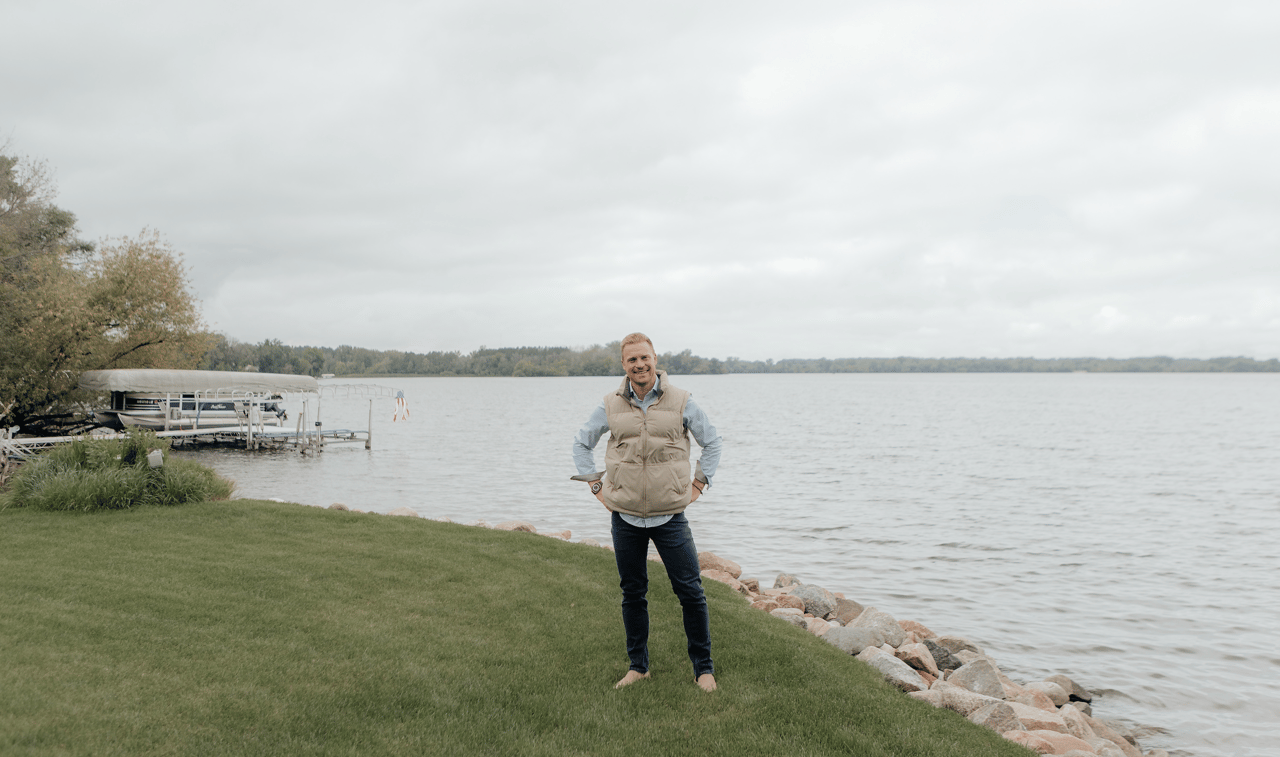
There’s a narrative in real estate right now that everything is global.
Capital flows across borders.
Buyers move fluidly between cities.
Property is optional.
That story doesn’t fully apply here.
The Twin Cities waterfront market is not driven by international movement.
It’s driven by depth of roots.
Most lake buyers in Minnesota are not circling the state on a map deciding where to land.
They’re already here.
They grew up here.
Their family is here.
Their business is here.
Their kids’ schools are here.
And once they anchor on a lake, they rarely leave.
Waterfront in Minnesota is not a stepping stone.
It’s a destination.
White Bear Lake, Lake Minnetonka, Prior Lake, Bald Eagle — these are not speculative lifestyle purchases for most buyers.
They are upgrades within an existing life.
That difference matters.
Markets driven by global capital behave differently than markets driven by generational loyalty.
When ownership patterns are long-term, turnover is low.
When turnover is low, inventory compresses.
When inventory compresses, pricing stabilizes.
This is why certain lakes feel tight even when broader markets soften.
It’s not because outside buyers are flooding in.
It’s because insiders aren’t leaving.
The typical pattern looks like this:
A family buys in the suburbs.
They build equity.
Their business matures.
They upgrade to water.
Or they grew up on Minnetonka.
Or they boated on White Bear as a kid.
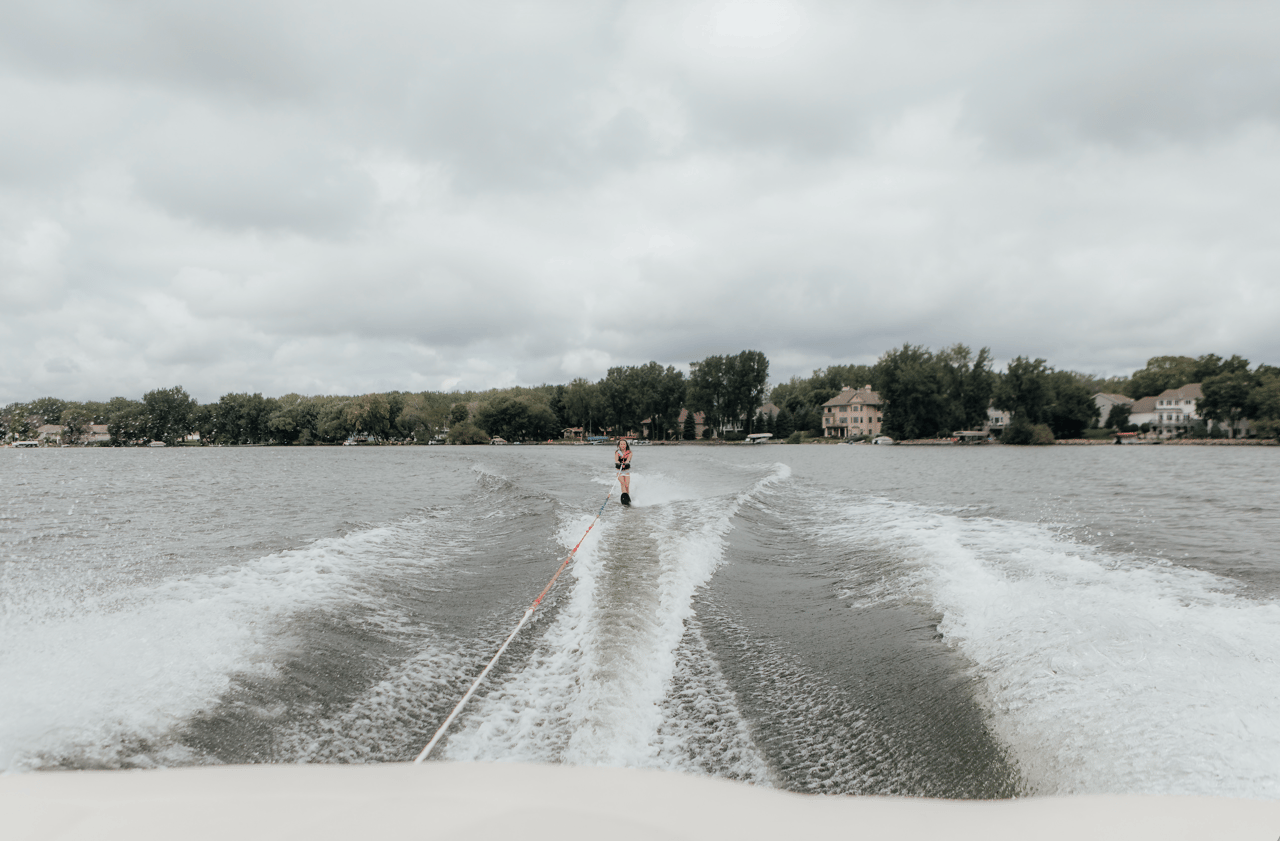
Or they skied Bald Eagle every summer.
Water is emotional here.
But it’s also practical.
You can live on a lake and still be 20–30 minutes from downtown Minneapolis or St. Paul. You’re not sacrificing access. You’re elevating lifestyle.
That combination — rooted community plus waterfront access — creates stability.
This market doesn’t swing on international headlines.
It moves when:
Businesses grow.
Families expand.
Children graduate.
Owners decide it’s time.
That’s a different rhythm.
And it’s why advisory here requires relationships more than global reach.
Knowing who is thinking about selling two years before they list.
Knowing which family wants to upgrade within the same lake.
Understanding which shoreline corridor carries legacy weight.
Twin Cities waterfront is not borderless.
It’s network-driven.
And networks are durable.
Waterfront real estate in the Twin Cities operates differently than traditional suburban housing. Shoreline structure, exposure, clarity performance, redevelopment ceilings, and micro-location all influence long-term value. Strategy must reflect that.
Preparation creates leverage.
Relationships outlast transactions.
Tim Ornell
Luxury & Waterfront Real Estate Advisor
Ornell Group | Real Broker Luxury Division (NASDAQ: REAX)
651.263.8480
ornellgroup.com