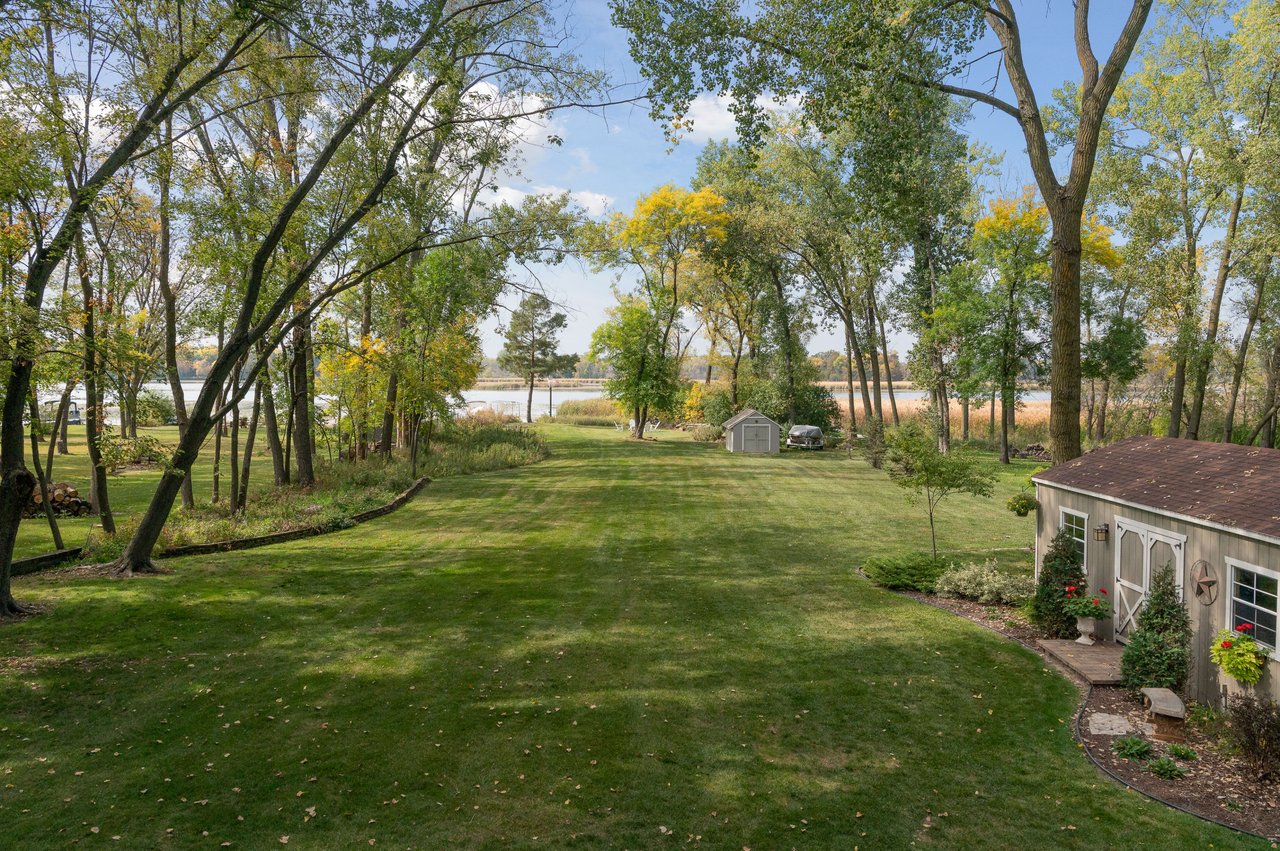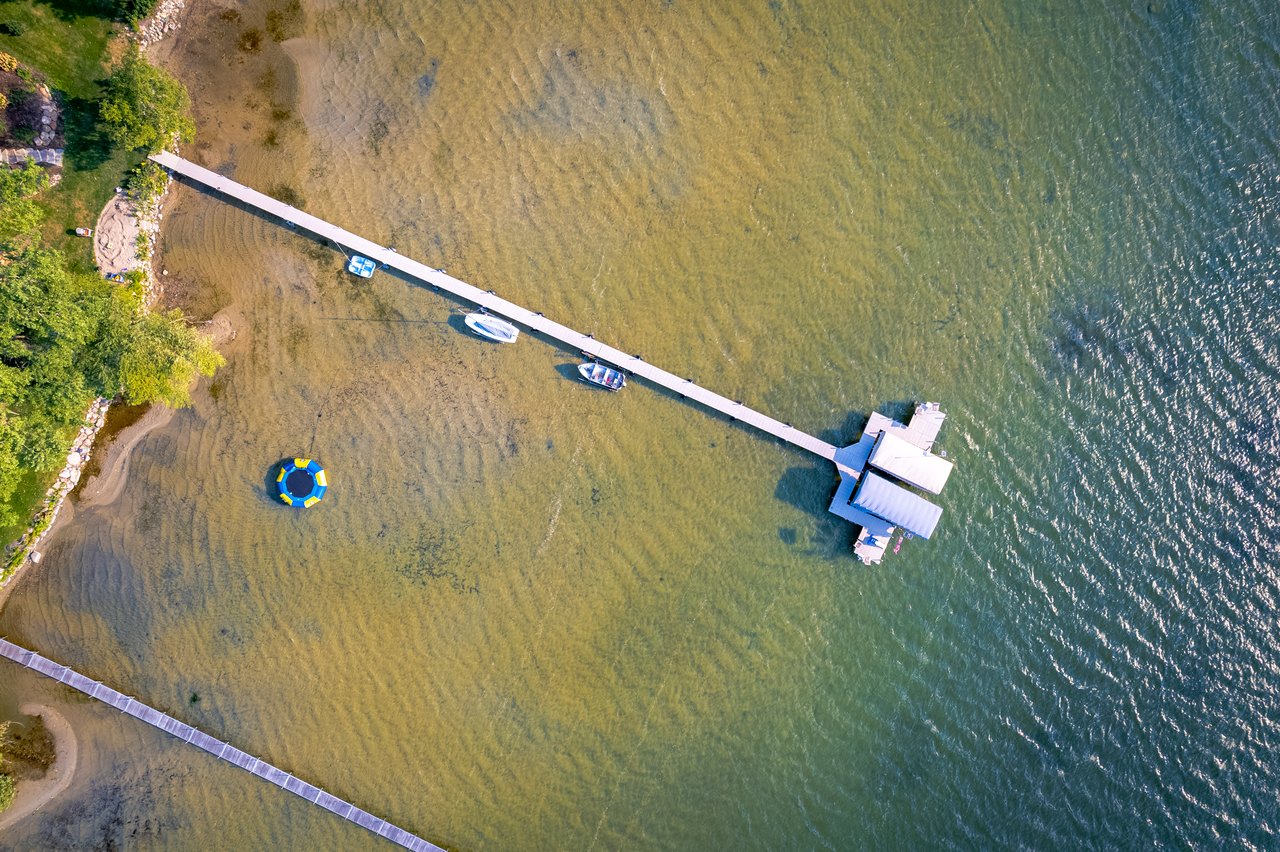
When a lake lot trades at a premium, most people assume it’s because of the view.
That’s rarely the reason.
Builders do not buy lake lots based on view alone.
They buy based on constraints and ceiling.
Before committing capital to a waterfront build, experienced builders evaluate five core variables.
-
Setbacks and Build Envelope
How close can the structure sit to the ordinary high-water line?
How do side-yard setbacks compress width?
Are bluff ordinances or shoreland overlays limiting height or footprint?
A lake lot that appears wide can shrink quickly once buildable envelope is calculated.
If the envelope is restricted, resale ceiling compresses.
-
Impervious Surface Limits
Shoreland ordinances often cap total impervious coverage.
Driveways, patios, garages, sport courts — they all count.
If coverage is already maxed or close, design flexibility narrows.
Buyers at the upper tier expect integrated outdoor living.
If the lot cannot support that, it affects value.
-
Shoreline Depth and Bottom Composition
Is dock depth usable in late season?
Is the bottom sand, hardpack, or heavy vegetation?
Is dredging permitted or restricted?
Builders know buyers will ask.
If water usability is compromised, marketing leverage declines.
-
Elevation and Drainage
Bluff lots carry value — but also engineering complexity.
Drainage patterns, retaining requirements, soil stability — all influence cost and risk.
The wrong topography can add significant build cost without increasing resale ceiling.
-
Resale Positioning
This is the most important filter.
How will this finished home compete in 5–10 years?
Is it on a strong stretch of shoreline?
Is it competing against newer builds already resetting values?
Does the lake itself have long-term demand stability?
Builders who ignore resale positioning build themselves into margin compression.
The best builders think like advisors.
That’s where alignment matters.
When I evaluate a lake lot with a builder, the conversation is rarely about finishes first.
It’s about water orientation, structure placement, and long-term competitiveness.
On Centerville, limited residential count changes lot valuation dynamics.
On Bald Eagle, size and recreation strength matter.
On Forest Lake near Clear Lake, community structure influences perception.
On Minnetonka and Prior, bay segmentation defines pricing ceiling.
Every lake behaves differently.
Waterfront land is not interchangeable.
The right lot in the right position can justify scale.
The wrong lot with overbuilt ambition compresses margin.
For landowners considering selling a lake lot, understanding how builders think changes negotiation leverage.
For homeowners debating tear-down versus remodel, this analysis determines whether capital is being deployed strategically.
Waterfront development rewards discipline.
And discipline starts before ground is broken.
Preparation creates leverage.
Relationships outlast transactions.
Tim Ornell
Luxury & Waterfront Real Estate Advisor
Ornell Group | Real Broker Luxury Division
NASDAQ: REAX
651.263.8480
ornellgroup.com