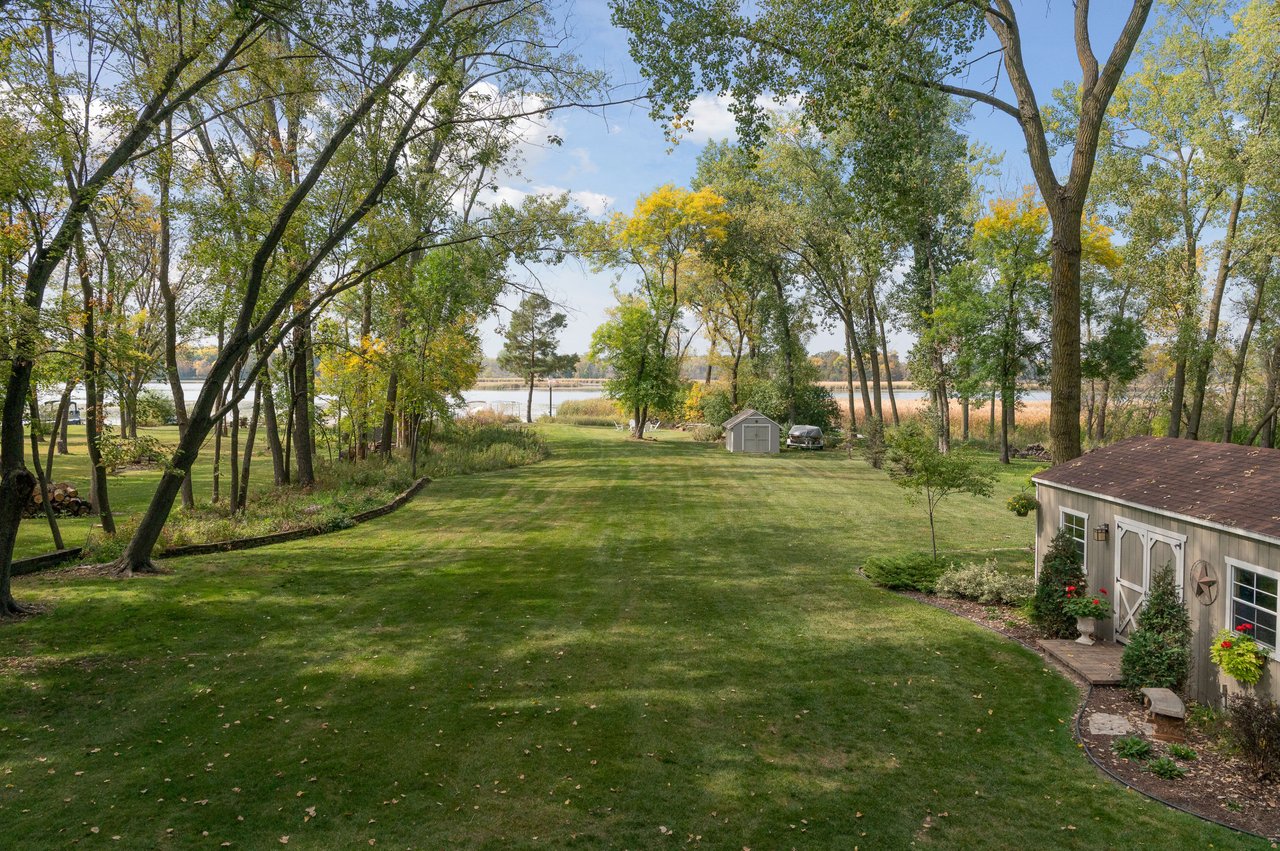
Short answer: On top of the mortgage, Minnesota lakeshore comes with property taxes, homeowners insurance and lake costs a regular house doesn't have: putting the dock and lift in and out every year, septic upkeep if the home isn't on city sewer, and on some lakes, weed treatments funded by a lake district. Get real numbers for the specific home from the county, an insurance agent and the seller before you write an offer.
The mortgage is the number everyone runs. The other costs are the ones that surprise people in year one. Here's what to line up before you buy on the water.
Property taxes
Lakeshore usually carries a higher assessed value than the house down the road, and taxes follow that value. Ask for the current tax statement on the exact home.
Your county assessor sets the value, and the county is the place to ask how taxes could change after a sale. I'm a Realtor, not a tax advisor.
Homeowners insurance
Insurance costs more than it used to, and a lake home can price differently than a regular house. Get a quote on the specific address during your search, not after you're under contract.
Ask your agent whether flood coverage makes sense for that lot. That's their call to make with you, not mine.
Docks and lifts
Most docks and lifts on Minnesota lakes go in every spring and come out every fall. Many owners hire that out. Ask the seller who does it and what it costs, and whether the dock and lift come with the house.
The DNR doesn't require a permit for a basic dock up to 8 feet wide with a platform of up to 120 square feet, but local rules can add more. On White Bear Lake, for example, the Conservation District licenses permanent and multiple-user docks.
Septic or city sewer
If the home has a septic system, Minnesota law requires the seller to disclose in writing how sewage is handled. The state doesn't require a compliance inspection at sale, but the MPCA notes many local governments do, especially in shoreland areas.
A septic system is something you own and maintain. On a sewered lake like White Bear, that cost is your city utility bill instead.
Lake management
Some lakes have a lake improvement district or association that pays for weed control. On Lake George in Anoka County, the DNR's 2025 plant survey notes the Lake George Improvement District organized herbicide treatment on 32.2 acres to target Eurasian watermilfoil.
Ask whether the lake you're buying on has a district, and whether it shows up on the tax statement.
Quick FAQ
Are property taxes higher on lake homes in Minnesota? Usually, because lakeshore carries a higher assessed value. Check the current tax statement and ask the county assessor.
Do I need a permit for a dock in Minnesota? Not for a basic dock that meets DNR standards, like being no more than 8 feet wide. Some lakes and cities add their own rules.
Is a septic inspection required when buying a lake home? Not statewide, but many counties, cities and townships require one at sale, especially in shoreland areas. Sellers must disclose the septic system in writing.
What does dock installation cost? It varies by dock, lift and company. Ask the seller who installs theirs and what they paid last season.
Next step
Text me the address you're looking at. I'll tell you which of these costs to ask the seller about before you write an offer.
Own lakeshore already? Buyers ask me these questions every week, and the homes with clear answers sell easier. Text me if you're curious who's looking on your lake.
Tim Ornell | Ornell Group, Real Broker Luxury Division (NASDAQ: REAX) | 651.263.9480 | ornellgroup.com | Lakeshore specialists across the Twin Cities.
Sources