By Tim Ornell | Ornell Group
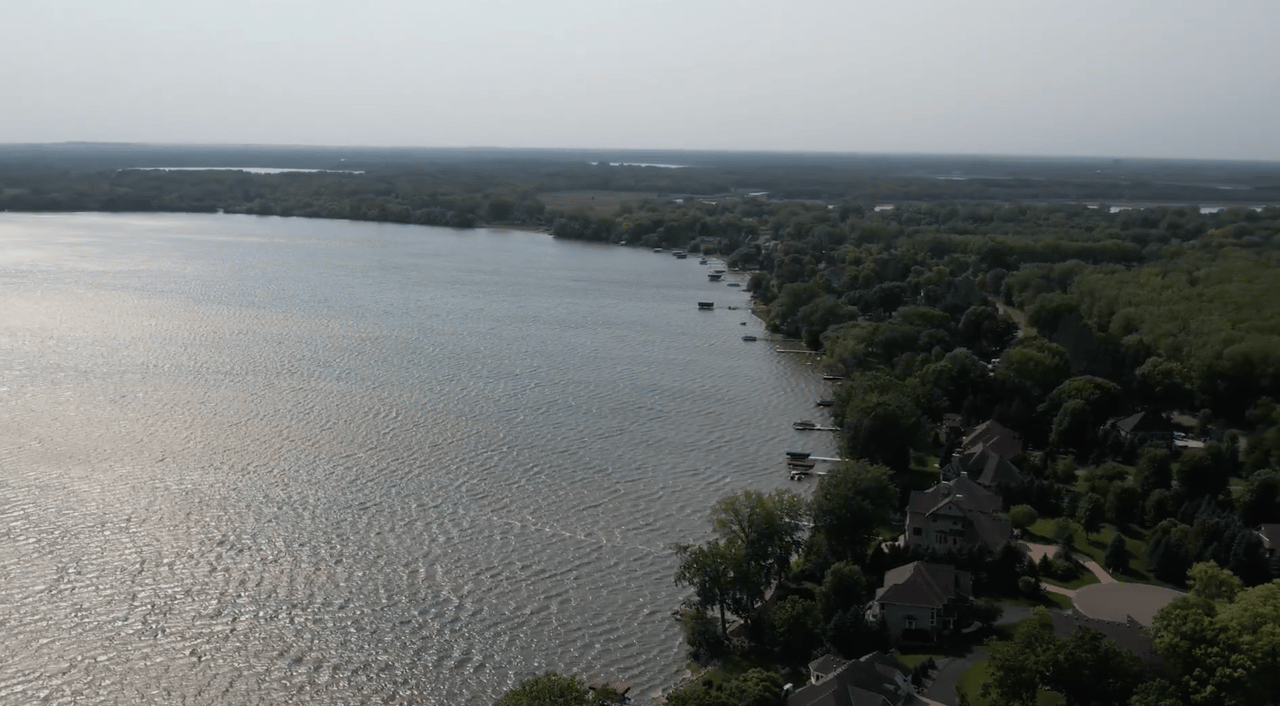
A lake home in Minnesota is worth what the market will pay for the combination of the lake, the lot, and the home — in that order. The lake itself is the single biggest driver of value, followed by lot frontage and water access, and then the condition of the home. In the Twin Cities northern suburbs, lakeshore properties range from under $800,000 for older homes on smaller lakes to well over $3 million for premium frontage on tier-one lakes like White Bear.
Why Lake Home Pricing Isn't Like Regular Real Estate
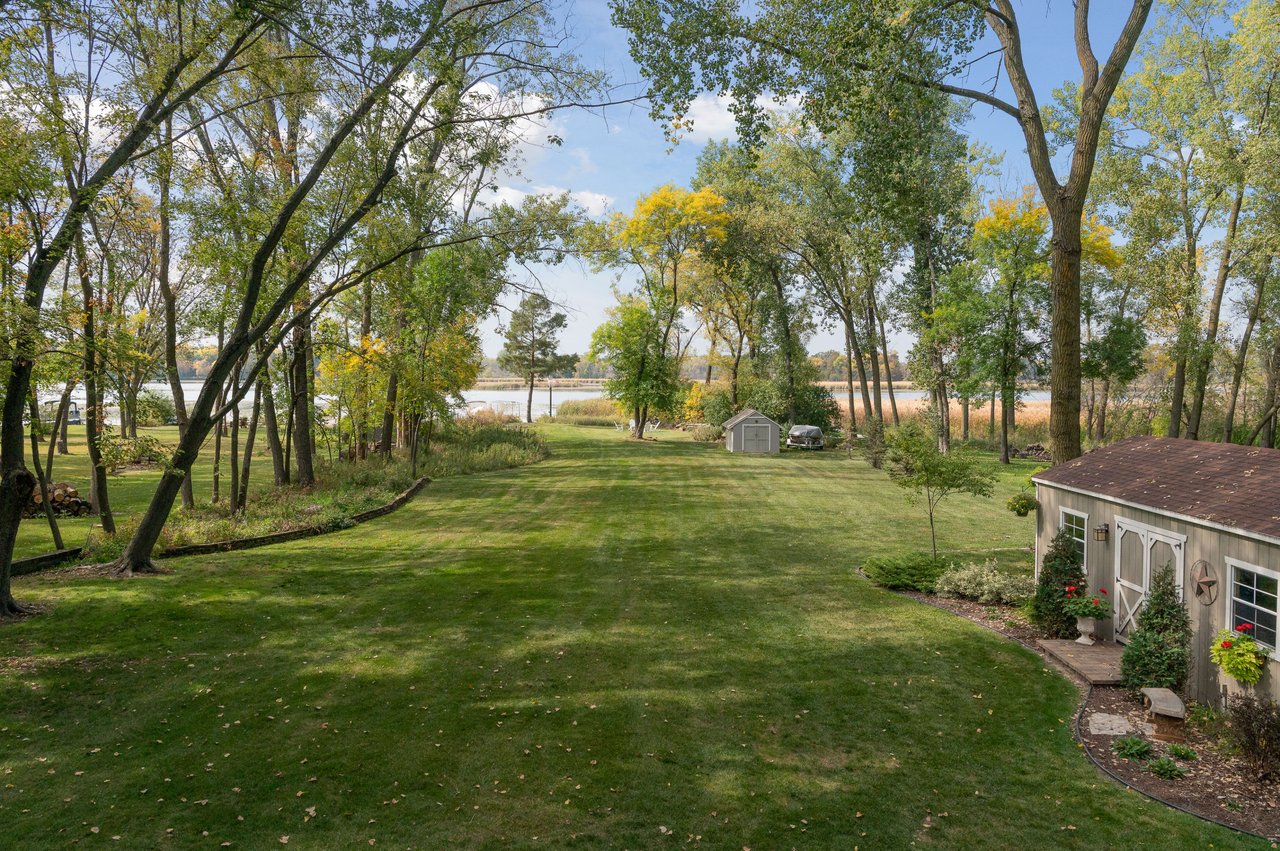
The tools most agents use to price a home — price per square foot, nearby sales, bedroom and bathroom count — don't translate well to lakeshore property. Two homes on the same street can be $500,000 apart because one has 100 feet of sandy frontage with deep water and clear dock rights, and the other has 40 feet of rocky shoreline with a shared access situation that a buyer's attorney will flag on day one of due diligence.
The home matters. But the lot is the asset.
The Factors That Actually Drive Value
The lake you're on
This is the variable most sellers underestimate — and it's not close. White Bear Lake commands more than a smaller, less-known lake in the same zip code. Buyers who want White Bear are not settling for something else. They've already decided. That lake-specific demand is real, it's consistent, and it shows up clearly in what comparable properties sell for.
Before any other conversation about value, it starts here.
Lot frontage
More feet of lakeshore means more privacy, more dock options, and more room on the water. It's one of the most direct value drivers in a lakeshore transaction. A 100-foot lot is not twice the value of a 50-foot lot — in many cases it's significantly more than that, because the demand for wider frontage outpaces supply.
Water depth at the dock
Shallow water limits the buyer pool. Buyers with larger boats, buyers with families who want to swim, buyers who want a proper boat lift — all of them are asking about depth. Deep, clean water access at the dock is a premium that shows up in the final number.
Dock rights and what transfers
This is one of the more complicated pieces of lakeshore real estate, and sellers often don't know exactly what they have until they ask. Does the dock permit transfer? Is it grandfathered under older DNR rules that a new owner couldn't replicate today? Are there association restrictions or shared access arrangements?
These details affect both value and how cleanly a transaction closes. Knowing what you have before you list — rather than discovering it during due diligence — is the difference between a smooth sale and a messy one.
Shoreline type
Sandy bottom with gradual entry appeals to families and swimmers. Natural, undisturbed shoreline appeals to buyers who want privacy and wildlife. Rip-rap and retaining walls matter for erosion and maintenance. None of these is universally better — but each one shapes which buyer wants your property and what they'll pay for it.
The home itself — in context
In 2026, lakeshore buyers are looking for one of two things: a home that's completely move-in ready, or a lot they can build their vision on. What they're not looking for is something in between — partially updated, dated in the wrong places, where they're inheriting someone else's unfinished decisions.
A home that's been fully renovated with quality finishes commands a real premium. A home that's original and dated can still attract strong offers — from buyers who want the lot and plan to make it their own. But a home that's halfway between both options is the hardest to price and the hardest to sell.
Before investing in pre-listing renovations, it's worth having an honest conversation about where your money actually moves the needle — and where it doesn't.
What This Looks Like in the Northern Suburbs Right Now
Pricing across the Twin Cities northern suburbs lake market varies significantly by lake and by property type. Generally speaking:
- Entry-level lakeshore on smaller or lesser-known lakes: $700,000 – $1,000,000
- Mid-range lakeshore on established lakes with good frontage: $1,000,000 – $2,000,000
- Premium lakeshore on top-tier lakes with significant frontage and deep water: $2,000,000 and above
White Bear Lake specifically has seen active waterfront listings averaging over $1.5 million, with the range running from under $1 million for older homes needing work to well past $5 million for the best lots on the lake.
These numbers shift with the market, with inventory, and with what's happened to a specific property. They're a starting point — not a substitute for an honest assessment of what you actually have.
The Right Way to Find Out What Your Property Is Worth
The most accurate number comes from someone who knows your lake, has sold on it recently, and can look at your specific lot and tell you what drives value in your favor and what works against you.
A Zestimate is not that. An automated valuation tool pulling from general comps is not that. Both are starting points at best and significantly wrong at worst on lakeshore property, because the algorithm doesn't know your frontage, your water depth, or your dock situation.
If you own lakeshore in the Twin Cities northern suburbs and you're starting to think about what it might be worth, the right first step is a conversation — not a form submission.
Tim Ornell | Ornell Group Waterfront Real Estate — Twin Cities Northern Suburbs Call or text 651.263.9480 | ornellgroup.com