By Tim Ornell | Ornell Group
There's a version of lake living that exists in people's heads before they ever buy on the water.
Sunny weekends. A boat at the dock. Kids jumping off the pier. Cold drinks and good company and nowhere to be.
That version is real. It happens. But the actual experience of living on a Minnesota lake is richer and stranger and quieter than the highlight reel — and the people who know it best are the ones who will tell you the off-season is where it actually gets good.
Summer Is the Opening Act
June through August on a Minnesota lake is everything people imagine. The water is warm, the days are long, and the lake becomes the center of everything. Neighbors you barely saw all winter are suddenly out every evening. Boats are running. Kids are growing up in the water in a way that doesn't happen anywhere else.
There's a rhythm to a summer day on the lake that's hard to describe if you haven't lived it. Morning is still and quiet. By afternoon the water picks up. Evening settles back down. The light does something different every hour.
But if you think summer is the whole story, you're missing most of it.
Fall Is the Best Kept Secret
Ask anyone who has lived on a Minnesota lake for more than a few years and most of them will tell you the same thing — fall is their favorite season on the water.
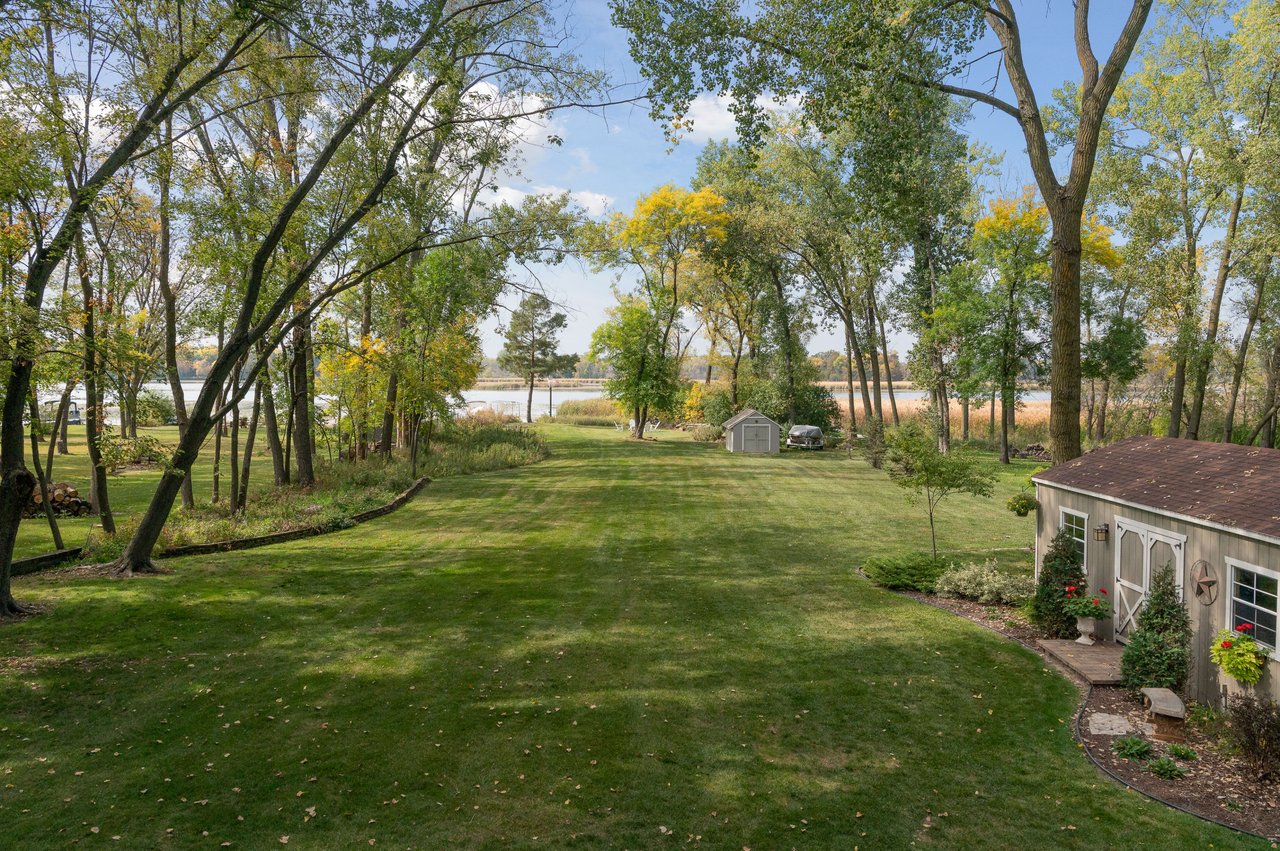
The boat traffic disappears after Labor Day. The lake quiets down in a way that feels earned. The colors reflecting off the water in October are something you don't forget. Mornings are cold and clear and the lake is all yours in a way it never quite is in July.
There's a peace to a fall morning on the water that is its own thing entirely. The kind of thing that makes you understand why people who live on lakes don't leave.
Winter Is a Different World
Minnesota winters on the lake are not for everyone — and that's fine.
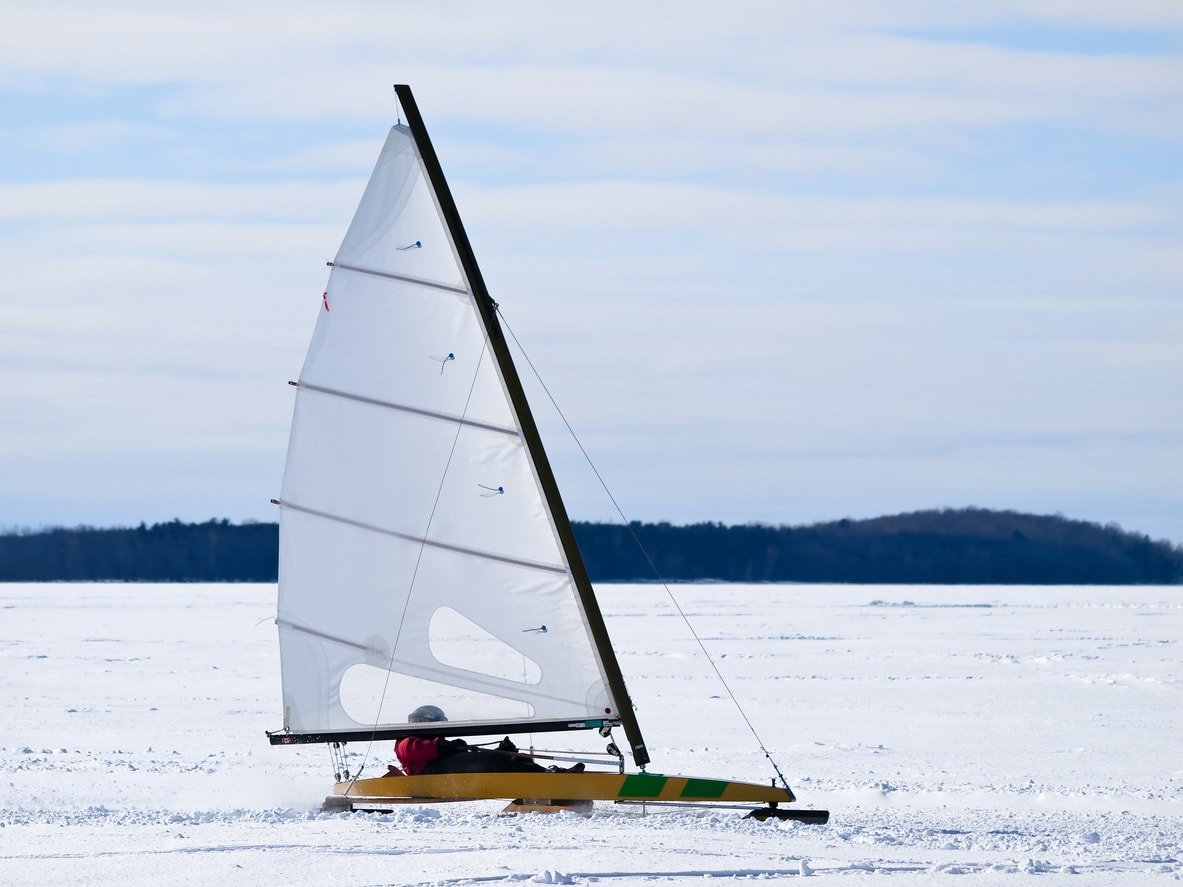
But for the people who lean into it, winter on the water is genuinely its own season. Ice fishing shacks appear on the lake like a small temporary village. Snowmobiles run the shoreline. The sound of the ice cracking and settling at night — a deep, echoing groan that travels across the whole lake — is one of those sounds you either love or find unsettling, and most people end up loving it.
The lake in winter is quiet in a way that summer never is. There's a community that shows up on the ice that you'd never know existed if you only came up in July. Ice fishermen. Skaters. People walking their dogs across the frozen surface of something that was open water three months ago.
It's a different world. And it belongs to the people who live there year-round.
Ice Out Is One of the Best Days of the Year
Every year, sometime in April, the ice goes out.
It doesn't happen all at once — it shifts and breaks and retreats toward the shore over a few days. And then one morning you walk outside and the lake is open water again and the whole season resets.
It sounds simple. But if you've watched it happen enough times, it becomes one of those things you look forward to every year without quite being able to explain why. Something about the lake coming back. About the season turning. About another year starting on the water.
The Things You Don't Expect
Nobody tells you how much you'll stop looking at your phone.
There's something about being near the water that does something to your attention. The lake gives you something to look at that isn't a screen. Weather moves across it. Birds land on it. Light changes on it constantly. It just pulls your eyes outward in a way that most environments don't.
Nobody tells you how different the community is either. Lake neighborhoods have a social fabric that standard subdivisions don't. People know each other's boats. They wave from the water. They show up when something needs doing. It's not universal and it's not guaranteed — but it's more common on a lake than most places, and it matters more than people expect.
And nobody tells you that the seasons will become the structure of your year in a way they weren't before. The dock going in means one thing. The dock coming out means another. Ice-out means something. First swim means something. These rituals become the calendar, and the calendar starts to feel like it makes sense in a way it didn't when you lived somewhere without them.
Who Lake Living Is Actually For
It's not for everyone — and saying that honestly matters more than selling the dream.
Lake living rewards the people who were already drawn to being outside. Who want their home to be the place people want to gather. Who are curious about weather and wildlife and the way seasons actually change when you're close enough to the water to feel them.
It's for people who are ready to slow down a little — not give up on their lives, just let the pace breathe differently.
If that's you, the lake delivers in ways that are hard to fully understand until you're living it.
Tim Ornell | Ornell Group Waterfront Real Estate — Twin Cities Northern Suburbs ornellgroup.com | 651.263.9480