By Tim Ornell | Ornell Group | Real Broker
The Lake That Built Itself Differently
There are lakes in Minnesota that feel like they were discovered recently. White Bear Lake does not feel that way. It feels like it has always known what it was.
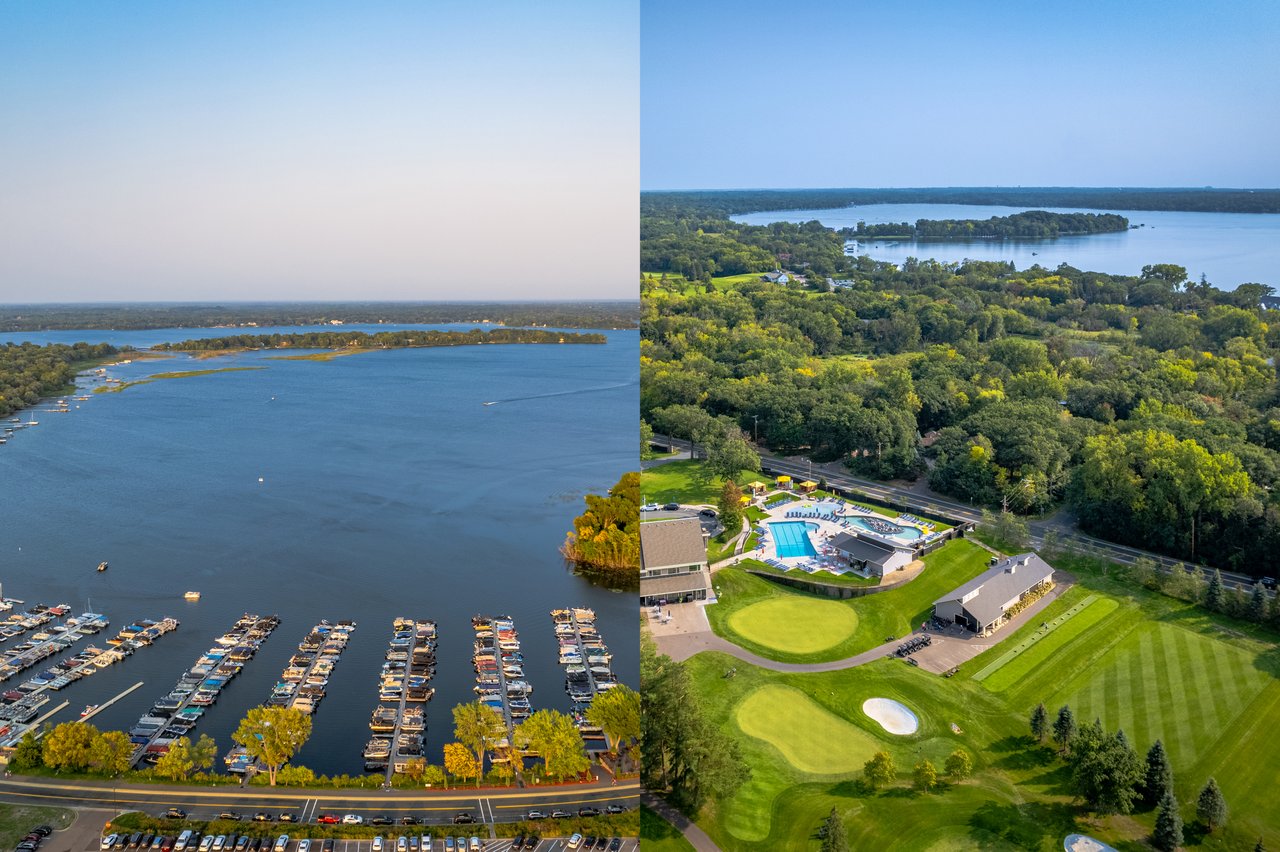
Fifteen miles northeast of Saint Paul, 2,400 acres of open water, a downtown that has been a destination since the 1800s when Saint Paul families would take the train out on summer weekends to escape the heat of the city. The Inns, the sailboats, the old summer cottages — White Bear Lake has been a place people have chosen deliberately and returned to faithfully for generations. And nowhere is that history more visible, more tangible, and more architecturally interesting than in the homes that line its shores.
I have been a part of 24 lake transactions. I live on this water. And the thing that strikes me every time I walk through a lakefront property here — whether it is a hundred-year-old cottage or a brand new build — is that the architecture of White Bear Lake tells a story that almost no other market in the Twin Cities can match. It is a story worth telling.
The Cottage Era: Where It All Started
The oldest homes on White Bear Lake are the ones that stop you. Not because they are large — many of them are not. But because of what they represent and, in many cases, because of how beautifully they have aged.
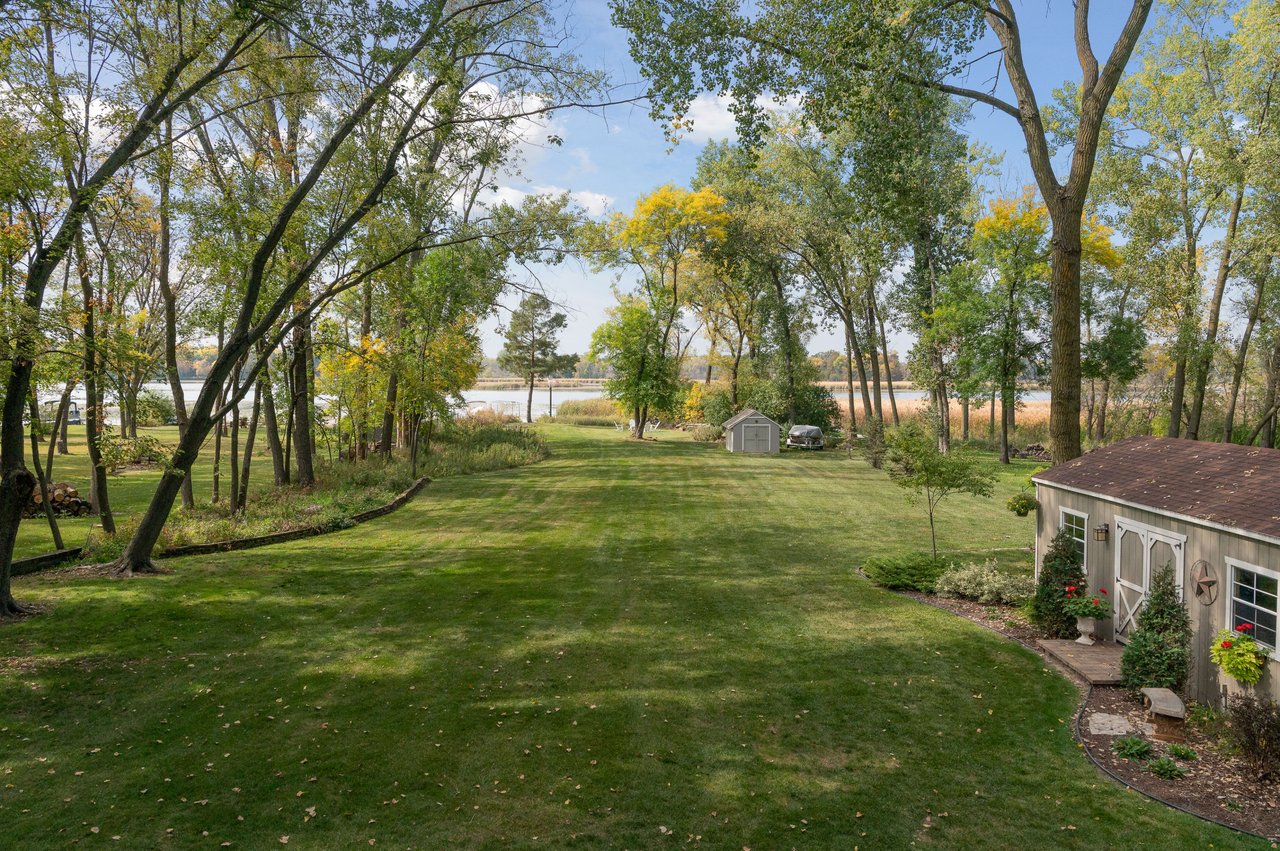
The classic White Bear Lake cottage was never meant to be a full-time residence. It was a summer place. A refuge. Built in an era when the craftsmanship was local and unhurried, when porch sitting was the primary leisure activity, and when the relationship between the house and the water was designed to be as immediate and unobstructed as possible. Wide covered porches that caught the lake breeze. Simple gabled rooflines. Wood siding painted in soft whites and creams that looked right against the water. Single-pane windows that let you hear the lake as much as see it.
These homes were built to connect you to the outdoors. And in a way that is difficult to replicate with any amount of modern construction budget, they succeed. There is something about sitting on a porch that has sat six feet from the same lake for ninety years that no new build can quite manufacture. The patina is real. The history is real. The bones — when they have been cared for — are extraordinary.
Many of these original cottages still stand on White Bear Lake today. Some have been preserved in nearly original condition, maintained by families who understand what they have. Others have been thoughtfully expanded — a kitchen opened up, a bathroom modernized, a porch enclosed for three-season use — while keeping the essential character of the original structure intact. When this is done well, it produces some of the most compelling residential architecture in the entire Twin Cities market.
The Mid-Century Moment
The postwar decades brought a different kind of homeowner to White Bear Lake. Families who were not summering — they were moving in permanently. The cottage era gave way to year-round construction, and the architecture shifted accordingly.
The mid-century homes on White Bear Lake reflect the optimism and the design sensibility of their era. Low-pitched rooflines that hugged the landscape. Generous use of glass facing the water. Open floor plans that felt radical at the time. Carports. Breeze blocks. The occasional A-frame. These homes were built with confidence in a new way of living — informal, indoor-outdoor, connected.
What is interesting about the mid-century inventory on White Bear Lake today is its range. Some of these homes have been left almost entirely intact — time capsules in the best possible sense, with original terrazzo floors and knotty pine paneling and hardware that you simply cannot find anymore. Others have been stripped of their character in the name of updating, the original bones buried under materials that do not belong to the period or the place.
And then there are the ones that have been renovated with genuine intelligence — where someone understood what made the original design worth keeping and worked around it rather than against it. These are the properties that sell fastest and for the strongest prices in this segment. The buyers who want a mid-century lake home are not looking for something generic. They are looking for something specific. And when they find it, they act.
The Custom Build Era: Ambition Meets the Shoreline
Starting in the 1990s and accelerating through the 2000s, White Bear Lake began to see something new — large custom builds designed from the ground up as primary residences, with no nod to the cottage origins of the neighborhood and no apology for their scale.
These homes brought a different kind of architecture to the shoreline. Grand entries. Multiple levels terraced toward the water. Elaborate dock systems. Outdoor living spaces that functioned as full extensions of the interior. Chef's kitchens. Theater rooms. Guest quarters. The ambition was real and in many cases the execution was exceptional.
The best of these custom builds treat the lake the way the best cottage architecture always did — as the reason the house exists. Every room is oriented toward the water. The materials are chosen to age well in a lakeside climate. The relationship between the built environment and the natural one feels considered rather than imposed.
The ones that fell short made the opposite mistake — they treated the lot as a backdrop for an impressive house rather than treating the house as a frame for an impressive lot. These are easy to identify on the water. The homes that turn their back on the lake, that stack up square footage without asking how that footage relates to the view — they feel wrong even when they are technically finished to a high standard.
The market has figured this out. Buyers at this price point in 2026 have walked through enough properties to know the difference immediately. Water orientation is not a feature. It is the foundation of the entire value proposition.
The New Wave: What Is Being Built Today
The most recent generation of construction on White Bear Lake is, in my view, the most architecturally interesting since the original cottage era. The best new builds happening on the lake right now share a design philosophy that feels like a return to first principles — the idea that the house should serve the lake, not compete with it.
Clean lines. Natural materials. Steel, stone, cedar, glass. Rooflines that sit low and horizontal rather than reaching upward. Window walls that dissolve the boundary between inside and outside. Covered outdoor spaces that function as real rooms in the Minnesota summer. The aesthetic is modern but not cold — there is warmth in the materials and intention in how they are used.
What the best of these homes do architecturally is create a continuous experience from the street through the house to the water. You arrive at the front door and already you can feel the lake on the other side. The house draws you through it rather than stopping you. By the time you reach the back and the water opens up in front of you, the whole sequence feels inevitable. That is good architecture. And it is happening on White Bear Lake right now in a way that is genuinely exciting to watch.
The Renovation Question: When Old Becomes New Again
Somewhere between the historic cottage and the brand new custom build sits the most common scenario I encounter as a lake market specialist — the home that has real bones, a great lot, and years of deferred updates.
This is where the architectural conversation gets practical. Because the question is not just aesthetic — it is financial. When a homeowner on White Bear Lake is considering whether to sell as-is or invest in updates before listing, the answer almost always comes back to the same analysis: what does the buyer see when they walk in, and does that experience match the price?
A 1,980s kitchen on a $1.2 million lot does not match. A bathroom with original tile and a vanity that belongs in a different decade does not match. Not because those things are shameful — they are not — but because the buyer standing in that space is doing arithmetic in their head. They are calculating what it will cost to bring the home to the standard the lot deserves. And they are discounting accordingly, usually more aggressively than the actual cost of the work would justify.
The renovation question on White Bear Lake is really a design question. It is asking: what is the architectural character of this home, and how do we honor it while bringing it forward? A mid-century home on the lake should not be renovated into something that looks like a new build. A historic cottage should not be gut-renovated into a generic open plan. The updates should serve the home's original identity, sharpen it, make it feel like itself — only better.
When sellers approach the renovation question this way, something interesting happens. The buyers who were looking for a renovation project disappear — because the home no longer needs one. And the buyers who want a lake home that is ready to live in arrive instead. That shift in the buyer profile almost always produces a faster sale and a stronger price.
What White Bear Lake Looks Like From the Water
There is a perspective on the architecture of White Bear Lake that you can only get from the water. I think about it often.
When you are out on the lake and you turn to look at the shoreline, you see the whole history of the place laid out in front of you. The old cottages with their deep porches leaning toward the water. The mid-century ranches sitting low and horizontal against the tree line. The large custom builds rising behind them. The new construction with its clean materials and careful lines. All of it together, layered over a century of people choosing this specific place to build something.
What strikes me is how much the best homes — regardless of era — share a common quality. They face the water openly. They do not hide from it or compete with it. They are oriented around it in a way that says: this is why we are here. The lake is not the backdrop. The lake is the reason.
That is what I look for when I walk a property on White Bear Lake. It is what the best buyers look for too, even when they cannot articulate it. And it is the standard against which every home on this shoreline — cottage, mid-century, custom build, or new construction — ultimately gets measured.
Why This Market Matters to Me Personally
I have been a part of 24 lake transactions. I live on this water. I made the decision several years ago to go all in on the lake market — to specialize in a way that felt vulnerable and specific — because I believed the homes here deserved an agent who understood them as more than inventory.
White Bear Lake is not just a desirable address. It is a place with an architectural history that is worth understanding, worth preserving, and worth presenting to buyers with the care and context it deserves. Every home on this lake has a story. My job is to tell it well.
If you are thinking about selling a lake property on White Bear — whether it is a cottage that has been in your family for forty years, a mid-century home with original details, or a custom build that you have maintained with pride — I would be honored to walk it with you. Not to tell you what I think it is worth in the first five minutes. But to understand what it is, what makes it remarkable, and how to bring it to a buyer who will value it the way you do.
That is the work. And there is no place I would rather do it.
Tim Ornell is a waterfront specialist with Ornell Group, Real Broker, focused exclusively on the White Bear Lake and Twin Cities lake market. He has been a part of 24 lake transactions, with an average of 28.6 days on market and a 97.2% list to sale price ratio. He lives on the lake. Reach him at [email protected].