Yes, but it's governed differently than a dock, and the two get confused constantly.
A dock sits in the water and, as I covered in an earlier post, most residential docks in Minnesota don't need a DNR permit at all. A boathouse is a structure on land, and it plays by a different set of rules entirely.
The general accessory structure limit
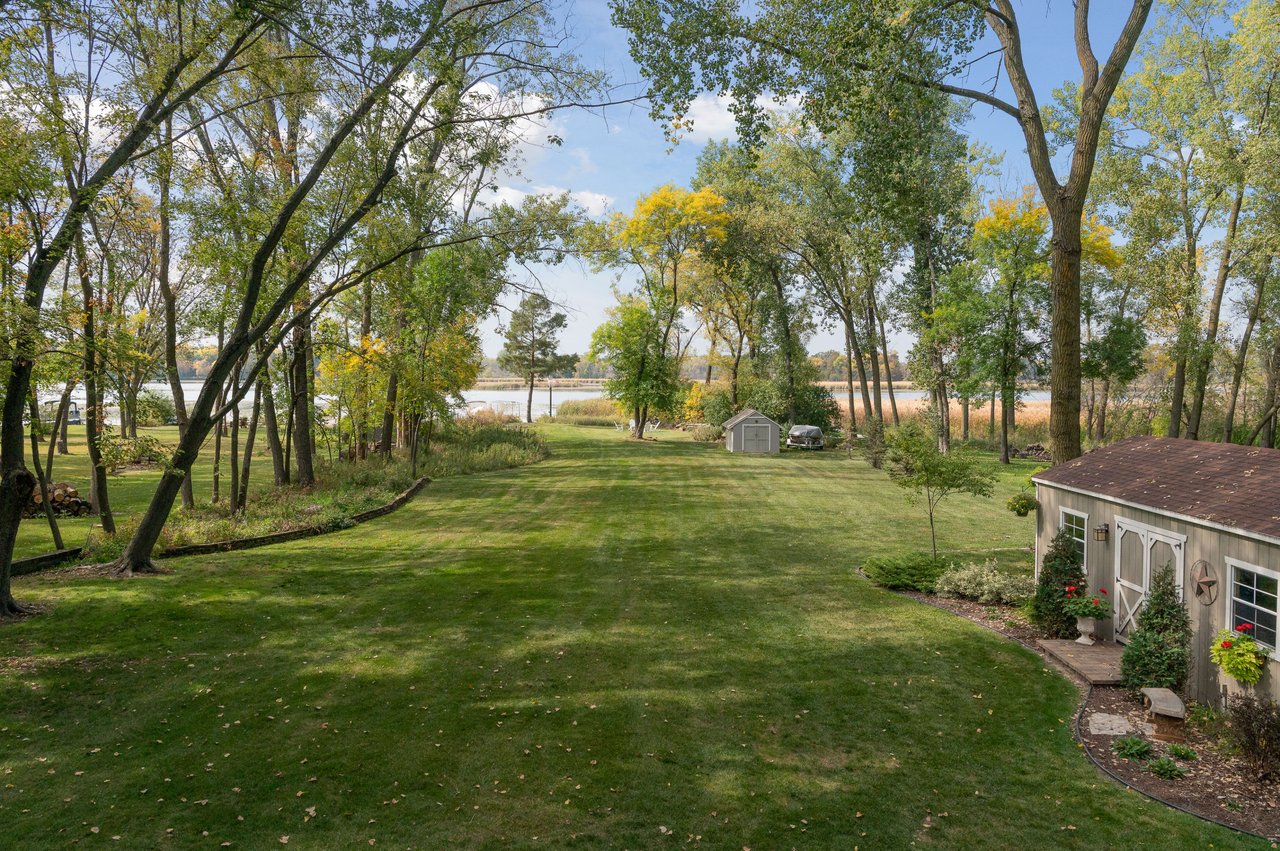
Minnesota's shoreland rules allow one water-oriented accessory structure per lot within the setback area, generally capped at 250 square feet, at least 10 feet from the ordinary high water level, under 10 feet in height, and not connected to sewer or water service. That's the baseline for something like a small storage structure near the water.
The boathouse-specific allowance
For lakes classified General Development or Recreational Development, which covers White Bear Lake and Centerville Lake, a water-oriented accessory structure used solely for watercraft storage can be larger, up to 400 square feet, provided the width stays at 20 feet or under. It still can't be connected to sewer or water, and it still needs to respect the 10-foot setback from the water. That's meaningfully more room than the general 250-square-foot allowance, but it only applies if the structure's actual use is watercraft storage, not a guest space, workshop, or anything beyond housing a boat.
Where local rules layer in
The state sets these as baseline standards. Your city or county can be more restrictive, and often has its own permitting process on top of the state allowance, separate from anything the DNR requires for the dock itself. I always confirm both before a client designs around a specific square footage.
What this means for you
If you're picturing a small boathouse near your dock, plan around the 400-square-foot, 20-foot-width allowance, but confirm your city's permitting requirements before you finalize a design. If what you actually want is more square footage or a mixed-use structure, storage plus a bunk room, for example, that likely pushes you out of the water-oriented accessory structure category entirely and into standard structure setback territory, which is a much bigger number.
Tell me what you're picturing and I'll help you figure out which category it actually falls into before you're paying a builder to find out.
Blessings.
Tim Ornell Real Estate Advisor | Ornell Group Real Broker Luxury Division (NASDAQ: REAX) 651.263.9480 | ornellgroup.com Specializing in Twin Cities, MN waterfront properties and relocations.
Sources checked for this post: