More frontage generally supports more value. It doesn't scale the way most sellers assume.
Why frontage isn't a straight-line calculation
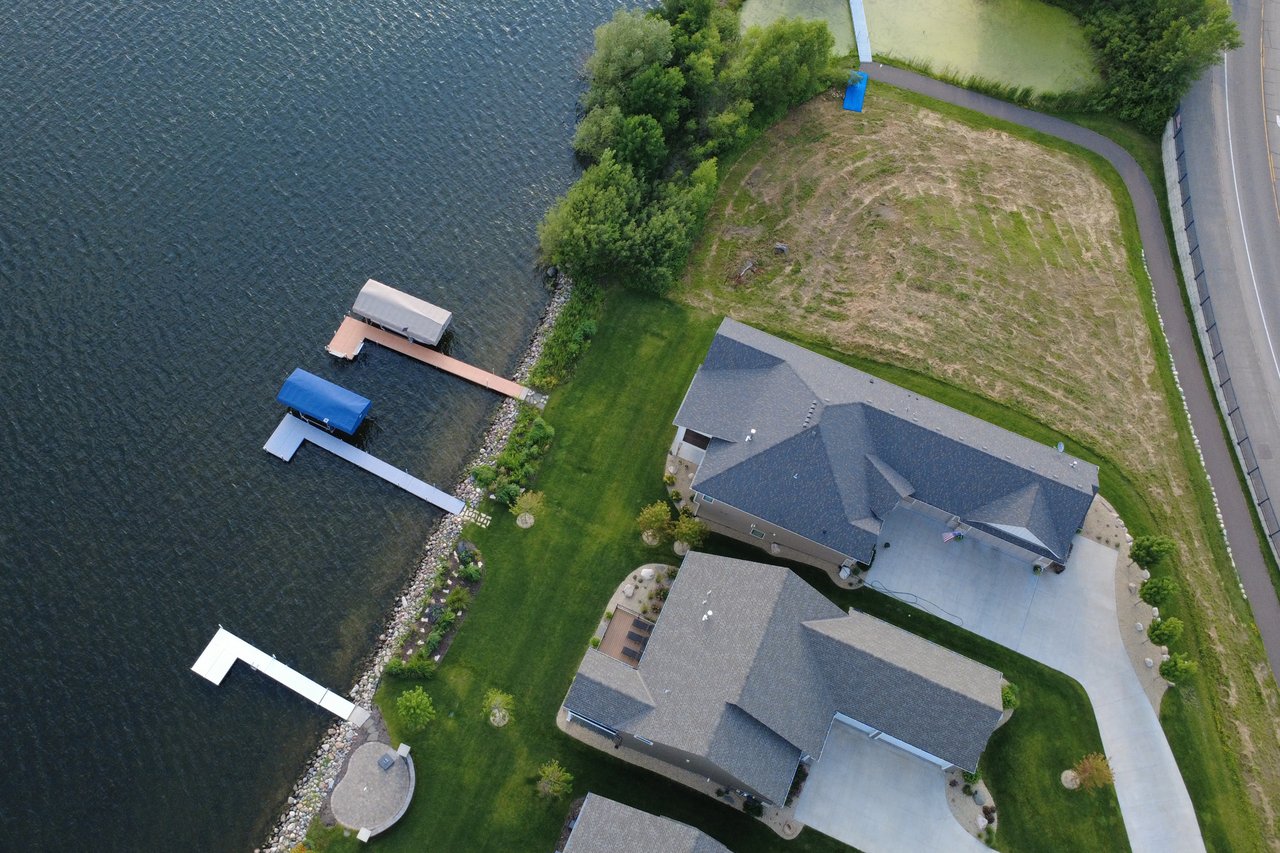
Going from 100 feet of shoreline to 200 can meaningfully move a home's value, because it changes what's usable, dock placement, privacy from the neighbor's swim area, room for a second watercraft. Going from 200 feet to 400 rarely doubles the price. Buyers are paying for usable water access and privacy, not just a bigger number on the survey.
What matters as much as the raw footage
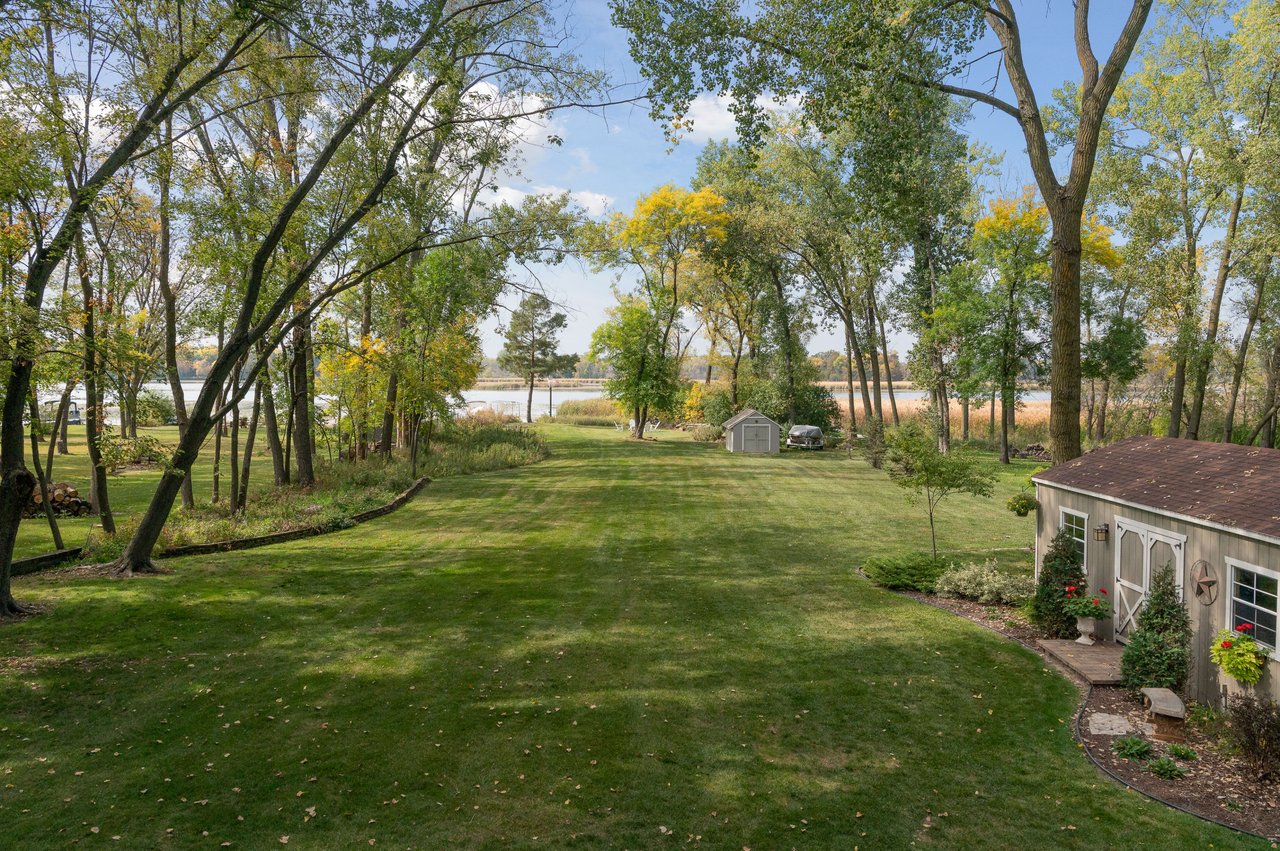
Lot shape and orientation change what that frontage is actually worth. A narrow, deep lot with 100 feet of frontage facing west into the sunset can outsell a wider lot with more footage that faces the wrong direction or sits exposed to boat traffic. Water depth off your specific stretch of shore, whether it supports a full-size dock and deep-water access, factors in as much as the linear measurement.
Why your neighbor's number isn't your number
Two homes with similar frontage on the same lake can carry different values because of exposure, privacy, and how that frontage interacts with the lot behind it. Comparing your footage directly to a neighbor's without accounting for those differences is how sellers end up over or underpricing.
What this means for you
Don't price off frontage alone. Look at what your specific footage actually gives a buyer, usable dock space, privacy, exposure, water depth, and compare against homes that share those same characteristics, not just a similar number of feet.
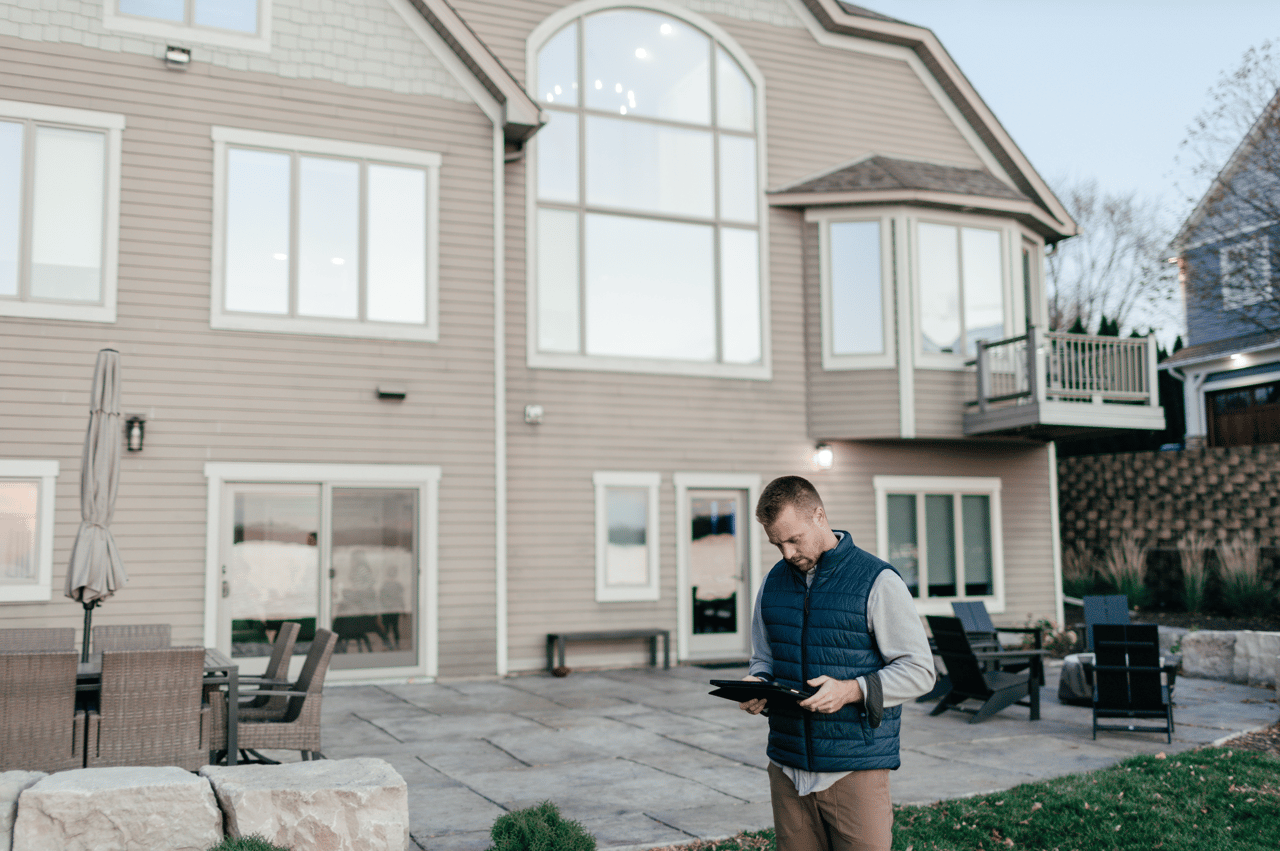
I can walk your shoreline with you and show you exactly how it compares to what's recently sold nearby.
Best,
Tim Ornell Real Estate Advisor | Ornell Group Real Broker Luxury Division (NASDAQ: REAX) 651.263.9480 | ornellgroup.com Specializing in Twin Cities, MN waterfront properties and relocations.