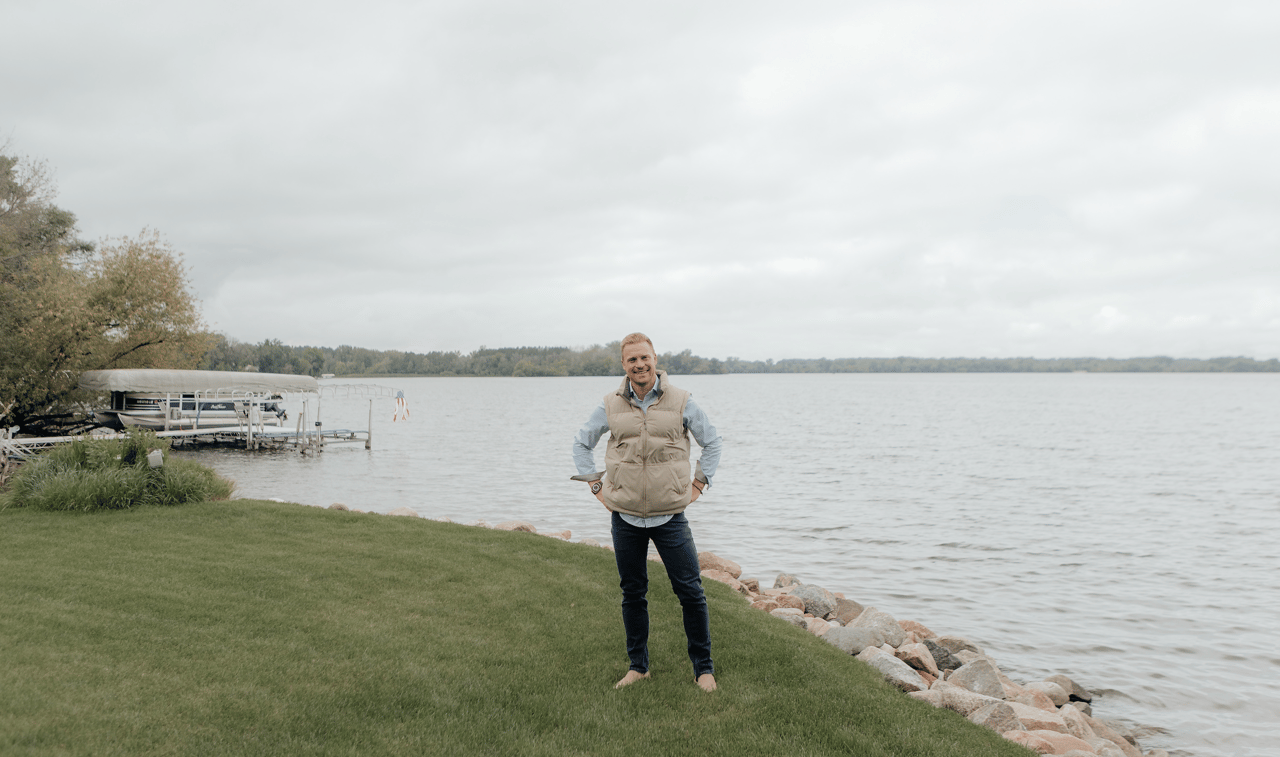
Buying a lake home in the northern suburbs of the Twin Cities is different from purchasing a typical residential property.
A lake home is not just about the house.
It’s about the water.
It’s about the shoreline.
It’s about how the lake itself shapes daily life.
Waterfront real estate introduces additional factors that influence long-term value, usability, and overall enjoyment of the property.
Things like shoreline depth.
Water clarity.
Exposure to sun and wind.
Every lake behaves a little differently.
And buyers who understand those differences are often better positioned to find the property that fits both their lifestyle and long-term goals.
Across the northern suburbs, lakes such as White Bear Lake, Bald Eagle Lake, Turtle Lake, Centerville Lake, Forest Lake, and Lake Owasso each offer their own version of lake living.
Understanding those differences is where the process usually begins.
Understanding the Lake Itself
When evaluating a lake home, the most important feature is often the lake itself.
Homes can be renovated.
Cabins can be rebuilt.
But the lake rarely changes.
That’s why buyers often look closely at factors such as:
• lake size
• maximum depth
• recreational activity
• water clarity
• long-term environmental health
Larger lakes often support more recreational activity and provide wider views across open water.
Deeper lakes tend to maintain stronger water quality and healthier fish populations.
Understanding these characteristics helps buyers identify lakes that align with their priorities for recreation, lifestyle, and long-term value.
Shoreline Depth and Dock Access
One of the most practical considerations when buying a lake home is water depth near the shoreline.
Dock depth determines whether boats can easily access the property and how comfortable swimming conditions will be.
Some shorelines offer gradual sandy entries that are ideal for swimming and family recreation.
Other properties feature steeper drops that allow larger boats to dock closer to shore.
Evaluating shoreline depth early in the process helps buyers avoid surprises after purchasing a property.
Exposure and Sunlight
Exposure refers to the direction a property faces across the lake.
For many buyers, this becomes one of the most noticeable daily experiences of lake living.
Some homeowners prefer western exposure, which allows for sunset views across the water.
Others prefer eastern exposure, which brings calm morning water and early sunlight.
Wind patterns can also influence lake conditions depending on the direction the shoreline faces.
Understanding exposure helps buyers imagine how the lake will feel throughout the day.
Topography and Walkout Potential
Topography describes the slope and elevation of the land between the home and the water.
Some lake properties offer flat lots with easy access to the shoreline.
Others sit on elevated bluffs overlooking the lake, offering expansive views across the water.
Walkout basements are common in waterfront homes and often create additional living space with direct access to outdoor patios and lakefront areas.
Topography also plays a role in redevelopment potential for buyers who may plan to renovate or rebuild in the future.
Water Clarity and Lake Health
Water clarity is another factor many buyers consider when comparing lakes.
Clarity is typically measured using a Secchi disk, which records how deeply light penetrates the water.
Lakes with higher clarity readings often appear clearer and support stronger aquatic ecosystems.
Several lakes in the northern suburbs have seen clarity improvements over the past several decades due to water management efforts and environmental monitoring.
While clarity varies from lake to lake, understanding these trends can provide helpful context when evaluating waterfront property.
Neighborhoods and Micro-Locations
Even within the same lake, different sections of shoreline can feel very different.
Some areas provide wide open views across the lake.
Others sit within protected bays or quieter residential pockets.
Proximity to marinas, parks, and downtown areas can also shape the lifestyle surrounding a property.
Understanding these micro-locations helps buyers identify which areas of a lake best align with their priorities.
Redevelopment and Rebuild Potential
Many waterfront properties across the Twin Cities have experienced significant redevelopment over the past several decades.
Older cabins have gradually been replaced by modern homes designed to maximize lake views, outdoor living space, and energy efficiency.
When evaluating a lake property, buyers often consider:
• local zoning regulations
• shoreline setbacks
• lot width and depth
• nearby redevelopment activity
These factors can influence whether a property offers flexibility for future renovation or rebuilding.
Lifestyle Around the Lakes
Living on a lake offers more than just a home.
It offers a lifestyle.
Many lake communities in the northern suburbs provide access to:
• boating and water recreation
• walking and biking trails
• waterfront dining
• sailing and boating clubs
• parks and natural areas
Over time, each lake develops its own culture shaped by residents, recreation, and the surrounding community.
Choosing the Right Lake
Every lake offers something different.
Some buyers prioritize large open water and active boating communities.
Others prefer quieter lakes with stronger privacy and natural surroundings.
Understanding how each lake functions helps buyers narrow their search and focus on communities that align with their lifestyle goals.
Across the northern suburbs of the Twin Cities, the variety of lakes creates options for nearly every type of waterfront buyer.
Working With a Lake Specialist
Waterfront real estate requires a different level of analysis compared to traditional homes.
Understanding shoreline characteristics, lake health, zoning restrictions, and redevelopment trends can make a meaningful difference when evaluating lake property.
Buyers who approach lake purchases with a clear understanding of these factors are often better positioned to make confident decisions.
Because when you buy a lake home, you’re not just buying a house.
You’re choosing the lake that will shape how you live.
Preparation creates leverage.
Relationships outlast transactions.
Tim Ornell
Luxury & Waterfront Real Estate Advisor
Ornell Group | Real Broker Luxury Division
651.263.8480
ornellgroup.com