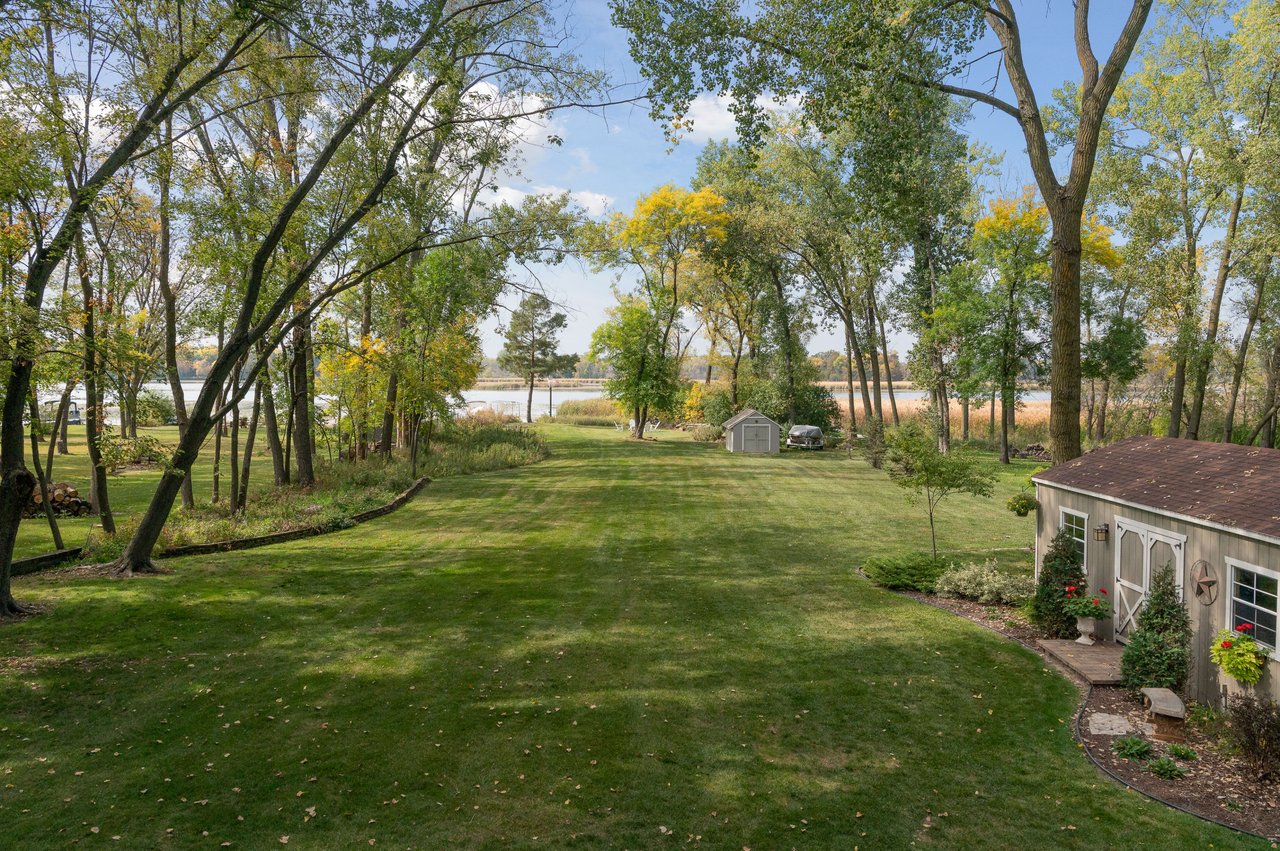
Waterfront is not an upgrade from suburban housing.
It is a different asset class.
Most agents treat lake homes like larger houses with docks attached. That approach misses the variables that actually determine value.
Two homes with identical square footage can trade hundreds of thousands apart based on factors most buyers never see in a listing description.
Dock depth in late August.
Prevailing wind exposure.
Bluff stability and soil composition.
Sunset orientation.
Lot geometry and shoreline angle.
Rebuild ceiling under current ordinances.
Price per square foot becomes secondary.
Lake Minnetonka requires bay-specific analysis. Wayzata Bay does not behave like Halsted Bay. An Orono bluff estate does not price like a flat Mound lot.
White Bear Lake trades on corridor identity. Manitou Island, Dellwood Road, and the Peninsula operate differently than other stretches of shoreline.
Prior Lake demands exposure evaluation between Upper and Lower. South-facing panoramic bluff lots carry measurable premiums.
Centerville trades on structural scarcity driven by protected shoreline.
Turtle Lake is defined by low turnover.
Forest Lake operates as a full-scale residential system with tier segmentation between its basins.
Each lake behaves differently. Even within the same lake, micro-location shifts leverage.
Waterfront buyers are informed. They research clarity history. They compare redevelopment trends. They study depth charts. They evaluate school district alignment.
They are not purchasing just a home.
They are purchasing water position.
Water position requires specialization.
Marketing must reflect shoreline psychology, not just architecture. Drone cinematography must show exposure and depth. Photography must capture sightlines. Pricing must be built from lake-specific comparable sales, not broad MLS averages.
This is not volume brokerage.
It is advisory.
Over the next 24 months, premium waterfront inventory across the Twin Cities will remain constrained. Sellers who position correctly will control leverage. Sellers who treat waterfront like suburban housing risk mispricing in either direction.
Underpricing costs equity.
Overpricing costs momentum.
Both are avoidable.
Waterfront real estate moves differently because the asset itself is different.
If you are selling lake property in the Twin Cities, the conversation should begin with shoreline analysis — not interior staging.
Preparation creates leverage.
Relationships outlast transactions.
Tim Ornell
Luxury & Waterfront Real Estate Advisor
Ornell Group | Real Broker Luxury Division
NASDAQ: REAX
651.263.8480
ornellgroup.com